Polynucleotides: Everything You Need to Know Before Your First Appointment
-
date of publication: 11/06/2026
Reading TIME: 5 MIN 10 SEC
Something has shifted in the way clients talk about their skin in the treatment room. The conversation has moved from correcting specific concerns to something more fundamental: how do I make my skin genuinely healthier, at a level that lasts. Polynucleotides sit at the centre of that shift. They are one of the most requested treatments at Oblique House of Aesthetics right now, and one of the most misunderstood. This guide answers every question we hear before a first appointment so that when you arrive, you already know what to expect.
What are polynucleotides?
Polynucleotides are a class of injectable skin treatment derived from highly purified DNA fragments, most commonly sourced from salmon or trout. Unlike fillers or Botox, they do not add volume or relax muscle. They work by activating the skin’s own regenerative processes at a cellular level, stimulating fibroblast activity and increasing the production of collagen, elastin, and hyaluronic acid from within.
The technical term you will also see is PDRN, polydeoxyribonucleotide, which refers to the specific active component responsible for tissue repair and regeneration. In clinical aesthetics, polynucleotides and PDRN injections refer to the same category of treatment.
The result is not a change imposed on the skin from outside. It is an improvement the skin makes itself, supported by the treatment.
How do polynucleotides actually work?
When polynucleotides are injected into the skin, they bind to receptors that trigger a healing and regenerative response. The skin produces more collagen and elastin, retains moisture more effectively, and improves in overall texture and tone over the weeks following treatment.
This is a slower, more gradual process than filler, which delivers volume immediately. Polynucleotides work on a timeline of weeks rather than days, and the results build with each session. Clients who have had a course of treatment describe the change as their skin looking more alive, more rested, and more resilient than it has in years, without looking like anything was done to it.
This is why polynucleotides have become a first-choice treatment for clients who want genuine improvement in skin quality rather than a single dramatic correction.
Polynucleotides vs filler: what is the difference?
Filler and polynucleotides are both injectables, but they work in entirely different ways and address different concerns.
Dermal filler adds physical volume to the face. It fills hollows, restores facial contour, and produces an immediate visible change. It is the right treatment when volume loss is the primary concern, such as in the cheeks, lips, or nasolabial folds.
Polynucleotides do not add volume. They improve the quality of the skin itself: its texture, hydration, elasticity, and cellular health. The results are visible as an overall improvement in how the skin looks and feels, rather than a specific structural change.
In many cases, the two treatments are genuinely complementary. A client might use filler to address structural volume loss and polynucleotides to improve the condition of the skin around it. At Oblique House of Aesthetics, the treatment plan for each client is built around what the skin actually needs, and often that includes both approaches at different points in the programme.
Polynucleotides vs Botox: which is right for me?
Botox and polynucleotides address different aspects of ageing and skin health, and comparing them as alternatives is often not the right frame.
Botox works by temporarily relaxing specific muscles, reducing the appearance of dynamic lines caused by facial movement. It is highly effective for expression lines around the eyes, forehead, and between the brows. The results are typically visible within a week and last three to six months.
Polynucleotides do not affect muscle activity at all. They work on the skin itself, improving its structure and regenerative capacity. They are the better choice when the concern is skin quality, crepiness, dullness, loss of elasticity, or chronic dehydration, rather than expression lines specifically.
Many clients at Oblique House of Aesthetics use Botox and polynucleotides as part of the same programme, at different intervals, because they address genuinely different things. A practitioner consultation is the most reliable way to understand which treatment, or which combination, is right for your skin at this point.
Polynucleotide treatment for the under-eye area: does it work?
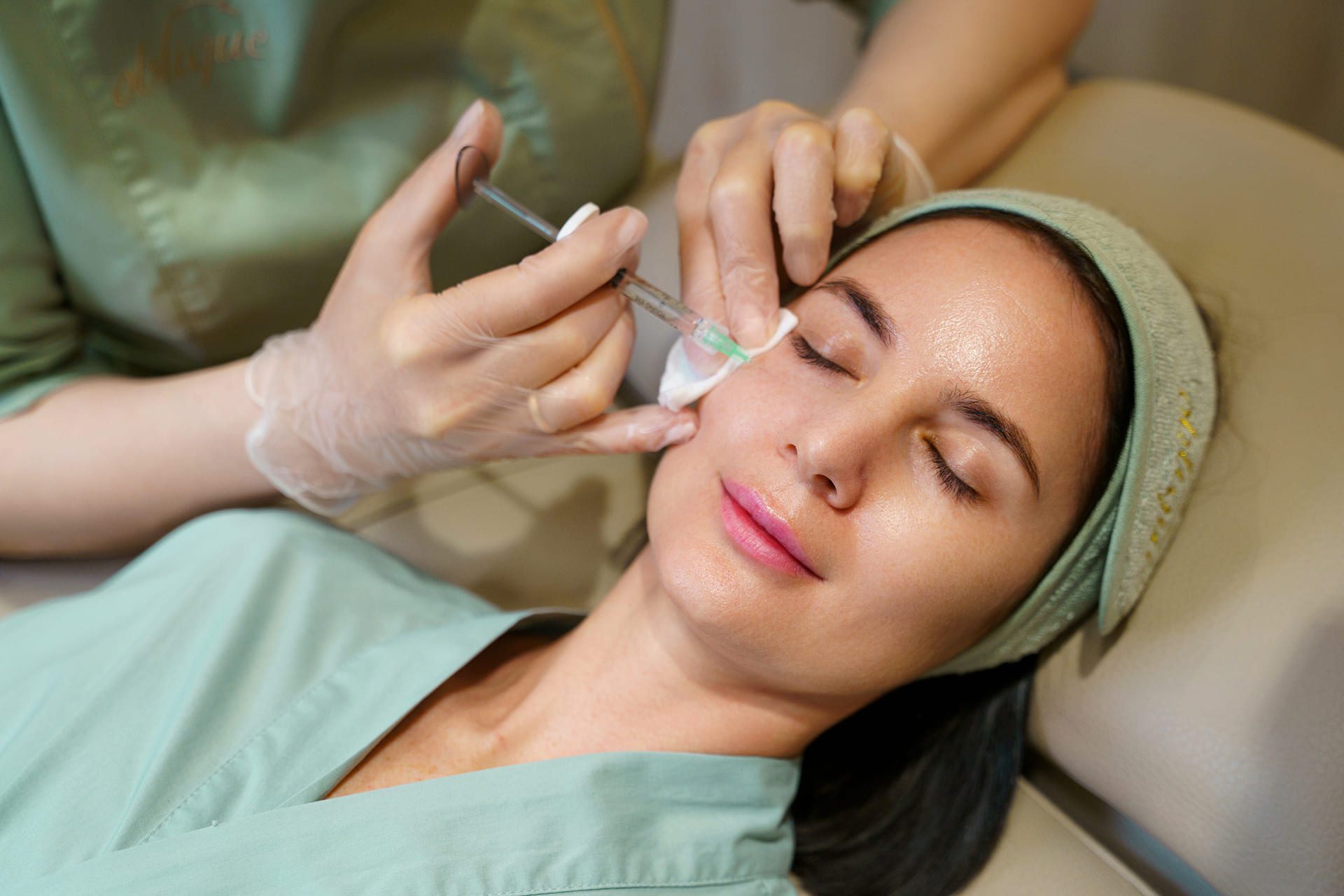
The under-eye area is one of the most common reasons clients seek out polynucleotide treatment in London, and it is one of the areas where the results are most consistent.
The skin under the eyes is the thinnest on the face. It shows the effects of fatigue, dehydration, and ageing earlier and more visibly than almost anywhere else. Fine lines, crepiness, a persistent look of tiredness even after rest, and dark circles caused by thinning skin rather than pigmentation: these are the concerns polynucleotides address most directly.
The treatment works in this area because it improves the actual quality and thickness of the skin rather than filling underneath it. Filler under the eyes can be effective but carries more risk in this delicate area and can look unnatural if not placed with extreme precision. Polynucleotides carry a lower risk profile for the under-eye zone and produce a more gradual, natural-looking improvement that clients describe as looking more like themselves on a well-rested day.
A course of three sessions, spaced four weeks apart, is typically recommended for the under-eye area before assessing the full result.
Who is a good candidate for polynucleotide treatment?
Polynucleotides are appropriate for a wide range of clients and a wide range of skin concerns. The treatment works well for:
Clients in their thirties to sixties who want to improve overall skin quality and slow the visible signs of ageing. Clients with dull, dehydrated, or crepey skin that is not responding well to topical products. Clients who have noticed changes in skin texture and elasticity and want to address the underlying cause. Clients recovering from prolonged stress, illness, or significant weight change that has affected skin condition. Clients who want a natural-looking improvement in skin health rather than a dramatic or immediately visible change.
There are some contraindications. Polynucleotides are not recommended during pregnancy or breastfeeding, in clients with known fish allergies (given the salmon-derived source), or in areas of active infection or inflammation. A thorough medical consultation before treatment is standard practice at Oblique House of Aesthetics, and any relevant history will be reviewed before a treatment plan is agreed.
What happens during a polynucleotide appointment at Oblique House of Aesthetics?
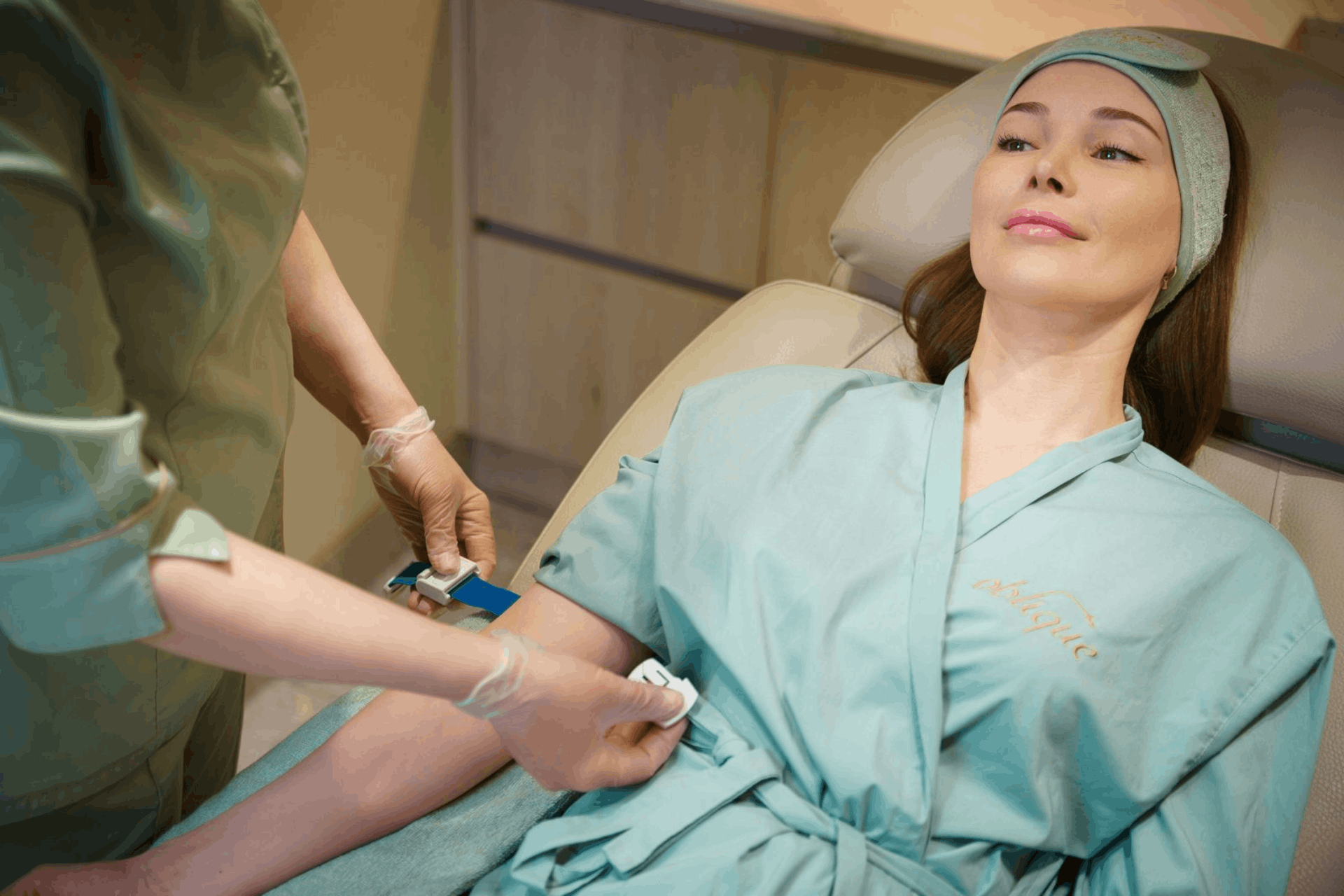
Every polynucleotide appointment at Oblique House of Aesthetics begins with a consultation. The practitioner reviews the client’s skin concerns, medical history, and treatment goals before making any recommendation. If polynucleotides are appropriate, the treatment area is discussed and agreed.
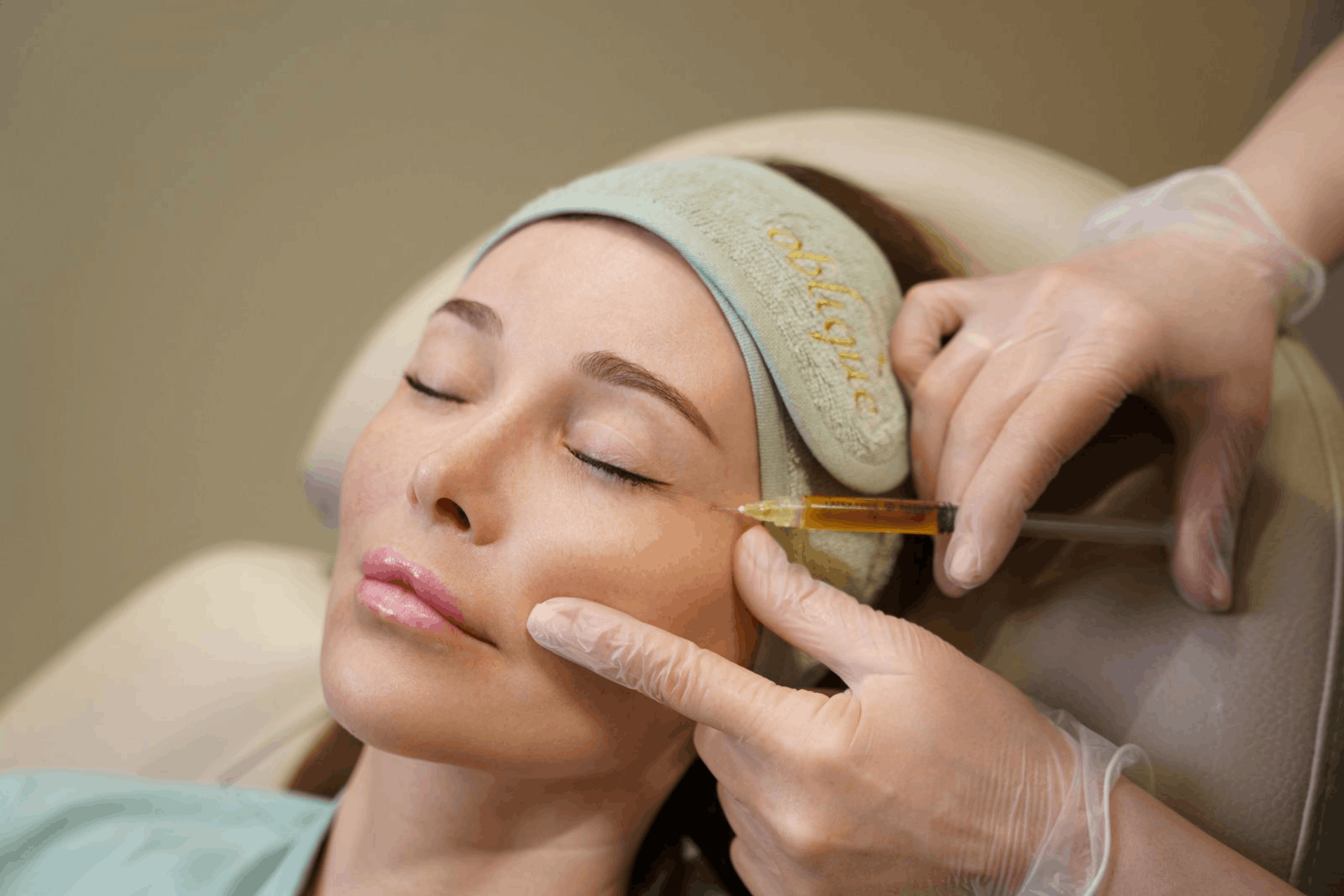
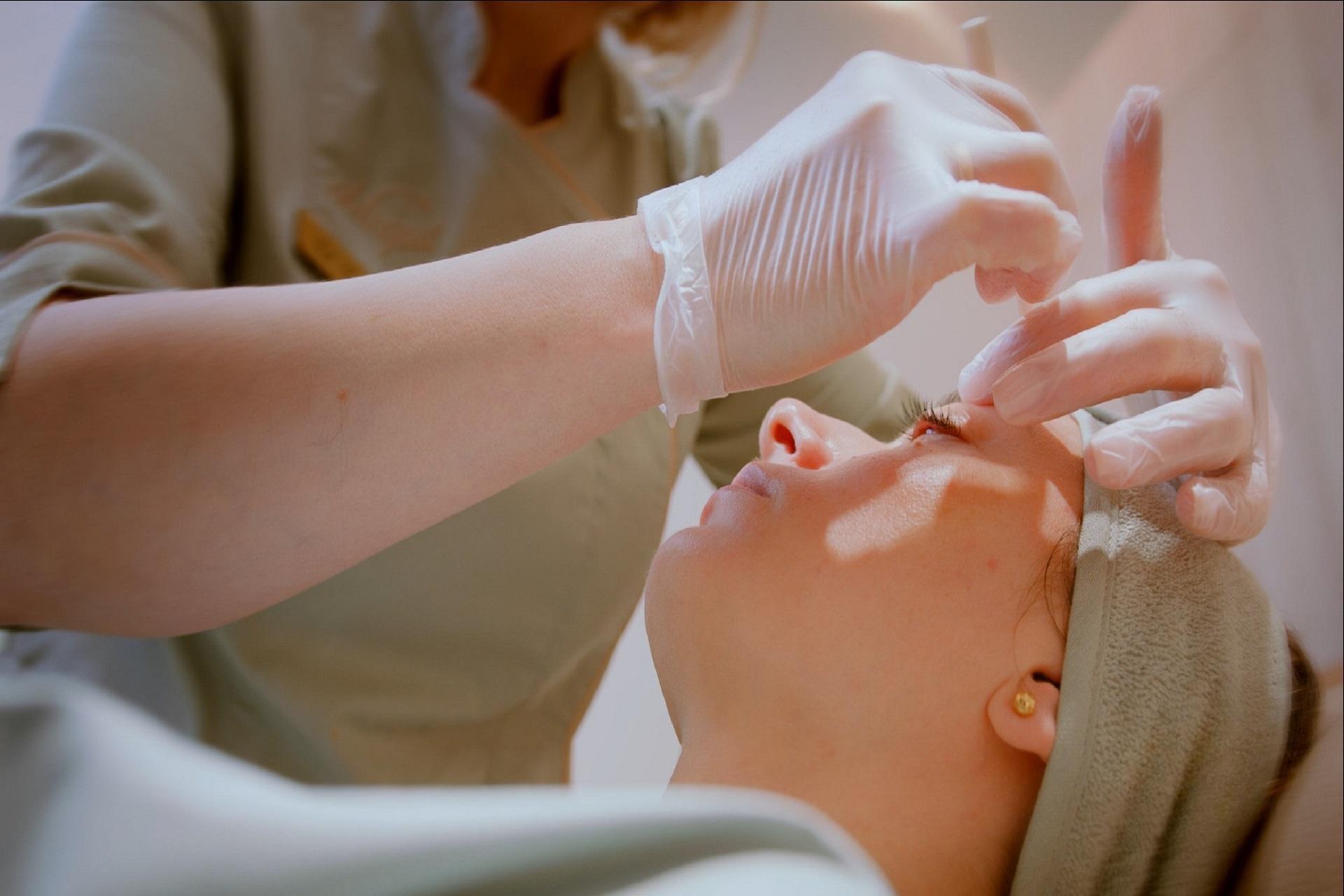
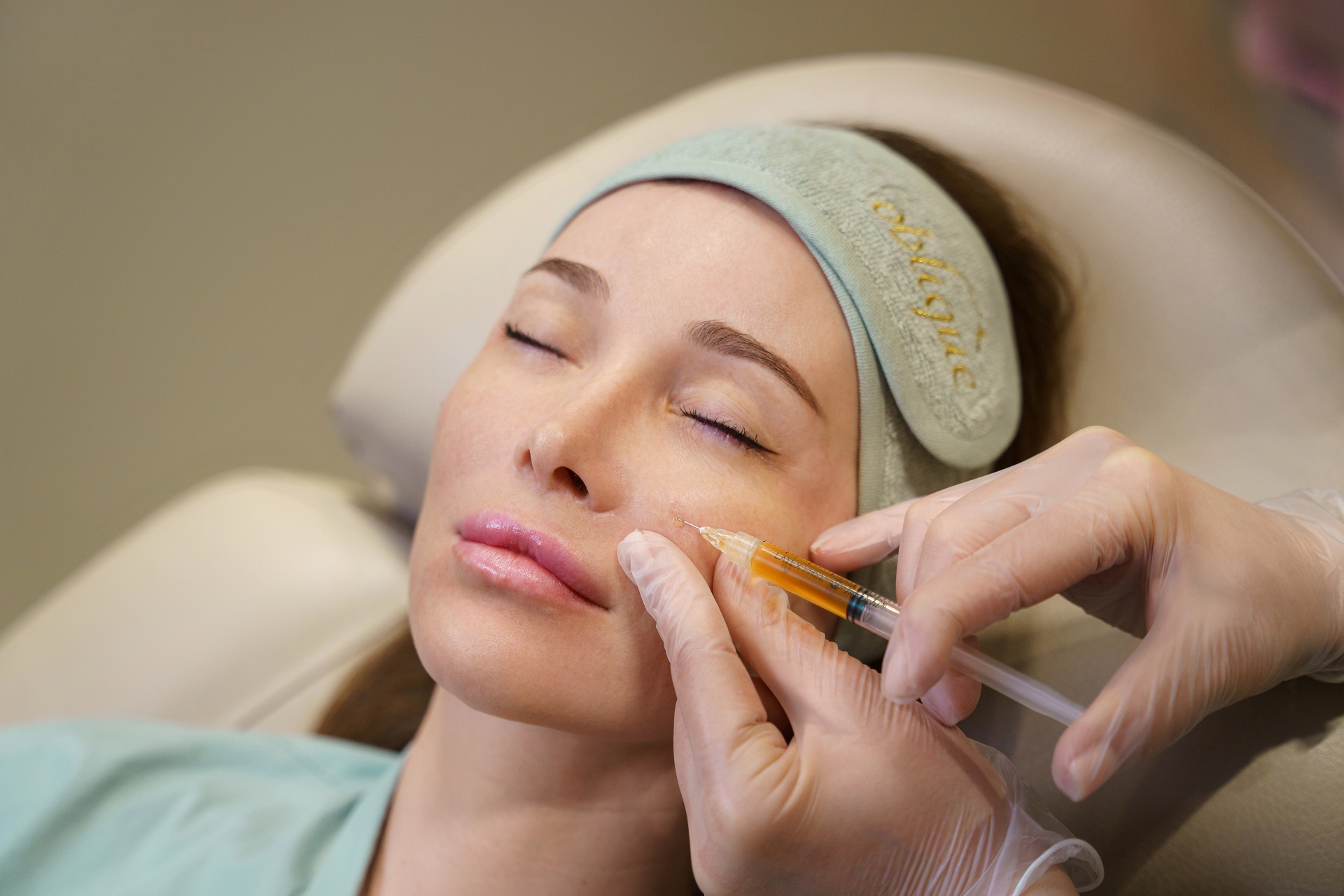
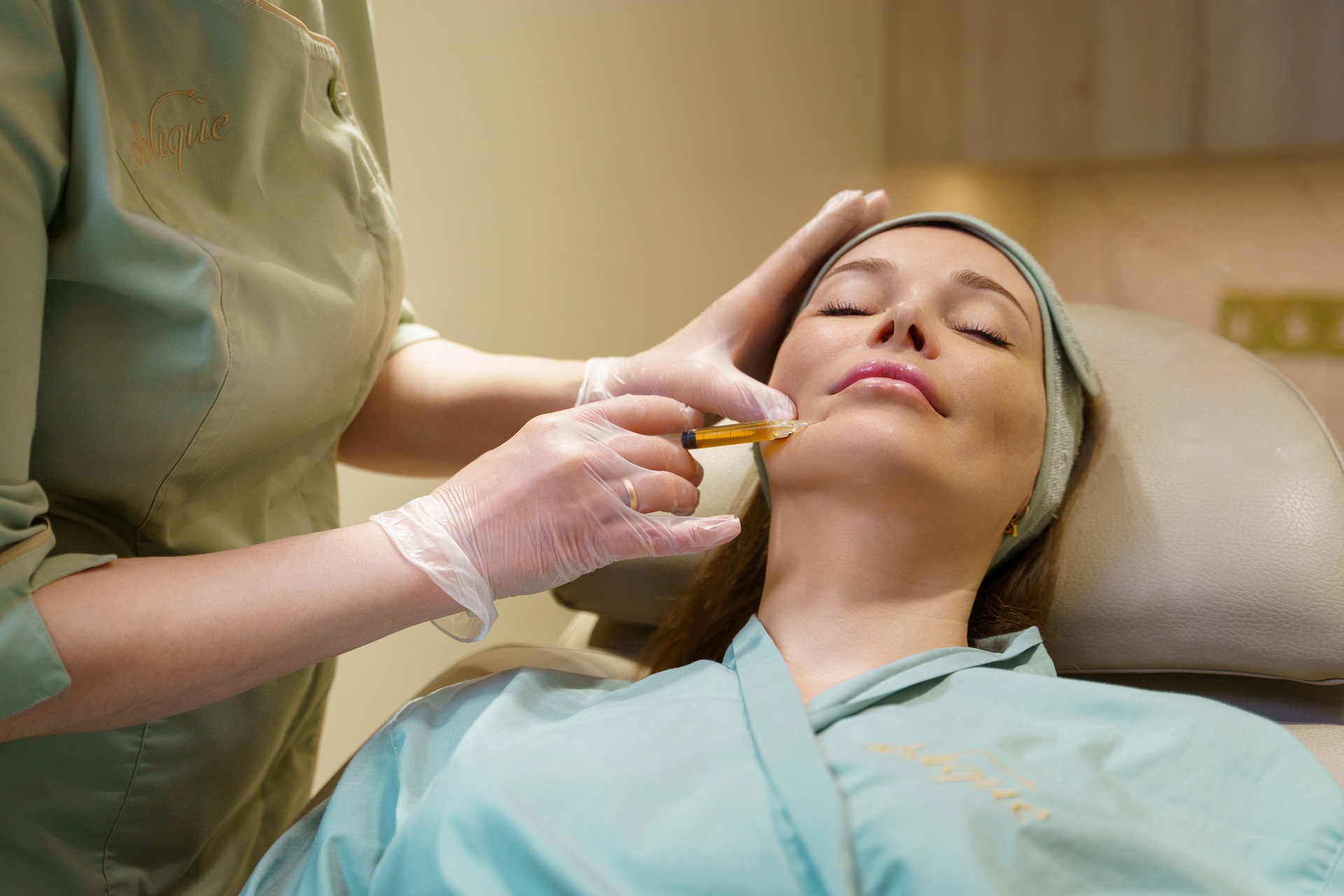
The skin is cleansed and a topical numbing cream is applied if needed, typically for thirty minutes before the injections begin. The treatment itself involves a series of small, precise injections into the target area. The depth and pattern of injection vary depending on the area being treated and the specific product being used.
The appointment typically takes thirty to sixty minutes in total, including preparation. Most clients describe the sensation as mild discomfort rather than pain, and the numbing cream reduces this significantly for sensitive areas including under the eyes.
There is no requirement to take time off after a polynucleotide treatment. Most clients return to normal activity the same day.
Polynucleotide aftercare: what to do and what to avoid
The days immediately following treatment are when the skin is most responsive, and the aftercare during this period supports the best possible result.
For the first twenty-four to forty-eight hours, avoid touching or pressing on the treated area, applying makeup directly over injection points, intense physical exercise, alcohol, and exposure to excessive heat including saunas, steam rooms, and sunbathing. These activities can increase inflammation and affect how the product settles.
From day three onwards, the skin can be treated normally. A gentle, hydrating skincare routine supports the regenerative process. If you are using active ingredients such as retinoids or acids, your practitioner will advise on when to reintroduce them based on your skin’s response.
Sun protection is important throughout the treatment course. The skin is in an active regenerative state, and UV exposure during this period can counteract the improvements being made.
If there is any swelling, bruising, or sensitivity in the days following treatment, this is a normal response to injection and resolves on its own. Significant or prolonged reactions are rare and should be reported to the clinic directly.
How many polynucleotide sessions do you need?
A standard initial course is three sessions, spaced three to four weeks apart. This spacing allows each session to build on the cellular response from the previous one, and the cumulative effect is more significant than any single session alone.
The full result of a course is typically visible four to six weeks after the final session, as the skin continues to produce collagen and improve during this period.
After the initial course, maintenance sessions every three to six months are recommended to sustain the result. Some clients choose to complete two full courses in the first year and move to maintenance from there. The appropriate schedule depends on the client’s age, the condition of the skin at the start of treatment, and the specific area being treated.
How long do polynucleotide results last?
The results of a full course of polynucleotide treatment typically last six to twelve months before maintenance is needed, depending on the individual’s skin, age, and lifestyle. Clients who commit to a regular maintenance programme and support their skin with appropriate homecare tend to see improvements that accumulate over time rather than returning to baseline between treatments.
Unlike filler, which degrades gradually and leaves the skin in the same condition it started in, polynucleotides improve the skin’s underlying capacity for repair and regeneration. Clients who treat consistently over several years report that their skin responds progressively better over time.
Are polynucleotide injections safe?
Polynucleotides have a strong safety profile across extensive clinical use in both dermatology and orthopaedic medicine. The incidence of serious adverse reactions is low. The most common side effects are mild swelling, redness, and bruising at injection sites, which typically resolve within a few days.
As with any injectable treatment, the safety of the outcome depends significantly on the skill of the practitioner delivering it. At Oblique House of Aesthetics, all injectable treatments are performed by trained aesthetic practitioners with specific experience in polynucleotide protocols. The consultation process is designed to identify any contraindications before treatment begins.
Clients with known fish allergies should discuss this explicitly during their consultation, as the majority of polynucleotide products are derived from salmon DNA.
Best services for you

40 min
Polynucleotides are naturally occurring molecules that help regenerate and repair the skin at a cellular level. They work by stimulating collagen production, improving skin elasticity and promoting deep hydration. Commonly used in aesthetic treatments, polynucleotides help reduce fine lines, improve skin texture and accelerate healing, making them ideal for rejuvenation, and anti-ageing therapies.
Benefits
- Post-Treatment Glow
- Boosts Skin Regeneration
- Strengthens the Skin Barrier
- Reduces Fine Lines and Wrinkles
- Enhances Skin Texture and Tone
- Improves Elasticity and Firmness
- Increases Hydration for a Dewy Glow

Date of publication11/06/2026