How Does HIFU Work? A Considered Guide to Ultraformer III
-
date of publication: 22/07/2026
Reading TIME: 2 min 40 sec
HIFU, or high-intensity focused ultrasound, is a non-surgical treatment that lifts and firms the skin by delivering focused ultrasound energy to its deeper layers, stimulating the body to produce new collagen. At Oblique’s House of Aesthetics in South Kensington, HIFU is performed with Ultraformer III, a device used by leading aesthetic clinics worldwide.
For many of our clients, HIFU is the treatment they research longest before booking. It sits at an interesting point on the aesthetic spectrum: more substantial than a facial, considerably less invasive than surgery, and dependent almost entirely on the precision of the device and the judgement of the practitioner. This guide sets out how it works, what it can realistically achieve, and how to decide whether it is right for you.
For many of our clients, HIFU is the treatment they research longest before booking. It sits at an interesting point on the aesthetic spectrum: more substantial than a facial, considerably less invasive than surgery, and dependent almost entirely on the precision of the device and the judgement of the practitioner. This guide sets out how it works, what it can realistically achieve, and how to decide whether it is right for you.
How does HIFU work?
HIFU works by focusing ultrasound energy at precise depths beneath the skin, creating targeted points of thermal energy that trigger the body’s natural repair response. The skin’s surface remains untouched. Beneath it, the treatment reaches the same foundational layer addressed in a surgical facelift, known as the SMAS.
The principle is elegant. Rather than resurfacing the skin from above, HIFU asks the body to rebuild it from below. Over the weeks that follow treatment, fibroblasts produce fresh collagen and elastin at the treated depths. Skin gradually becomes firmer, contours more defined, and the early signs of laxity, particularly along the jawline and beneath the chin, visibly improve.
Because the mechanism is biological rather than mechanical, the results develop on the body’s own timeline. This is one of the qualities our clients value most: the change is genuine, progressive, and never looks like an intervention.
What is Ultraformer III?
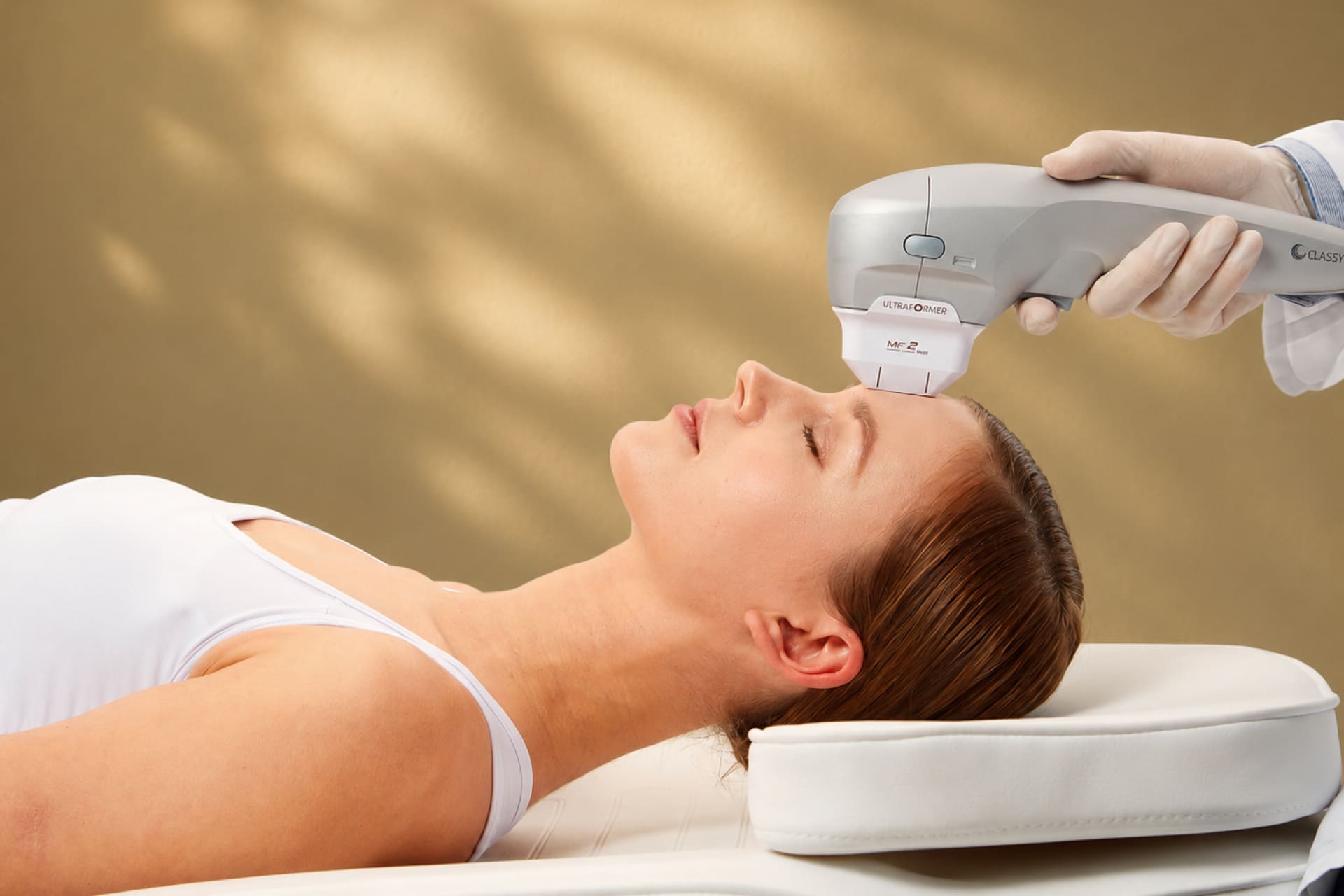
Ultraformer III is a medical-grade focused ultrasound device. It delivers both micro and macro focused ultrasound, which allows the practitioner to treat at multiple depths within a single session: 1.5 mm for the superficial dermis, 3 mm for the deeper dermis, and 4.5 mm for the SMAS layer.
This matters because skin does not age at one depth. Fine crepiness, loss of firmness, and structural laxity each live in a different layer, and a device that can only reach one of them can only solve one of them. Ultraformer III treats all three, with cartridges selected to match the anatomy of each area, from the delicate skin around the brow to the fuller tissue of the lower face and body.
It is also known for something our clients ask about often: comfort. Compared with earlier generations of HIFU technology, Ultraformer III delivers energy in a way most clients describe as warm and entirely tolerable, with no anaesthetic required.
What can HIFU treat?
At Oblique House of Aesthetics, Ultraformer III is used across the face, neck and body. The most requested areas are the ones where laxity shows first.
On the face, HIFU lifts the brow, softens nasolabial folds, sharpens the jawline and improves definition beneath the chin. On the neck and décolletage, it firms skin that creams alone cannot reach. On the body, focused ultrasound tightens skin on the arms, abdomen and above the knees, areas where firmness often changes after weight loss or with time.
Whether one area or several is right for you is a consultation question. At Oblique, no HIFU treatment begins without one, because depth, energy and treatment map are decided by your skin and your anatomy, never by a standard protocol.
What results can you expect, and when?
Some tightening is often visible immediately after treatment, as existing collagen fibres contract in response to the energy. The true result, however, builds over time. New collagen forms over eight to twelve weeks, which is when lifting and firming reach their most visible point.
For most clients, a single session is sufficient, with results typically maintained for a year or more depending on age, skin condition and lifestyle. Many of our clients return annually, treating HIFU as a standing appointment in their skin calendar rather than a one-off correction.
It is worth being precise about what HIFU is for. It excels at early to moderate laxity: the softening jawline, the brow that sits slightly lower than it did, the neck that has begun to change. Significant, advanced laxity remains the territory of surgery, and an honest consultation will tell you which side of that line you are on.
What does a treatment at Oblique feel like?
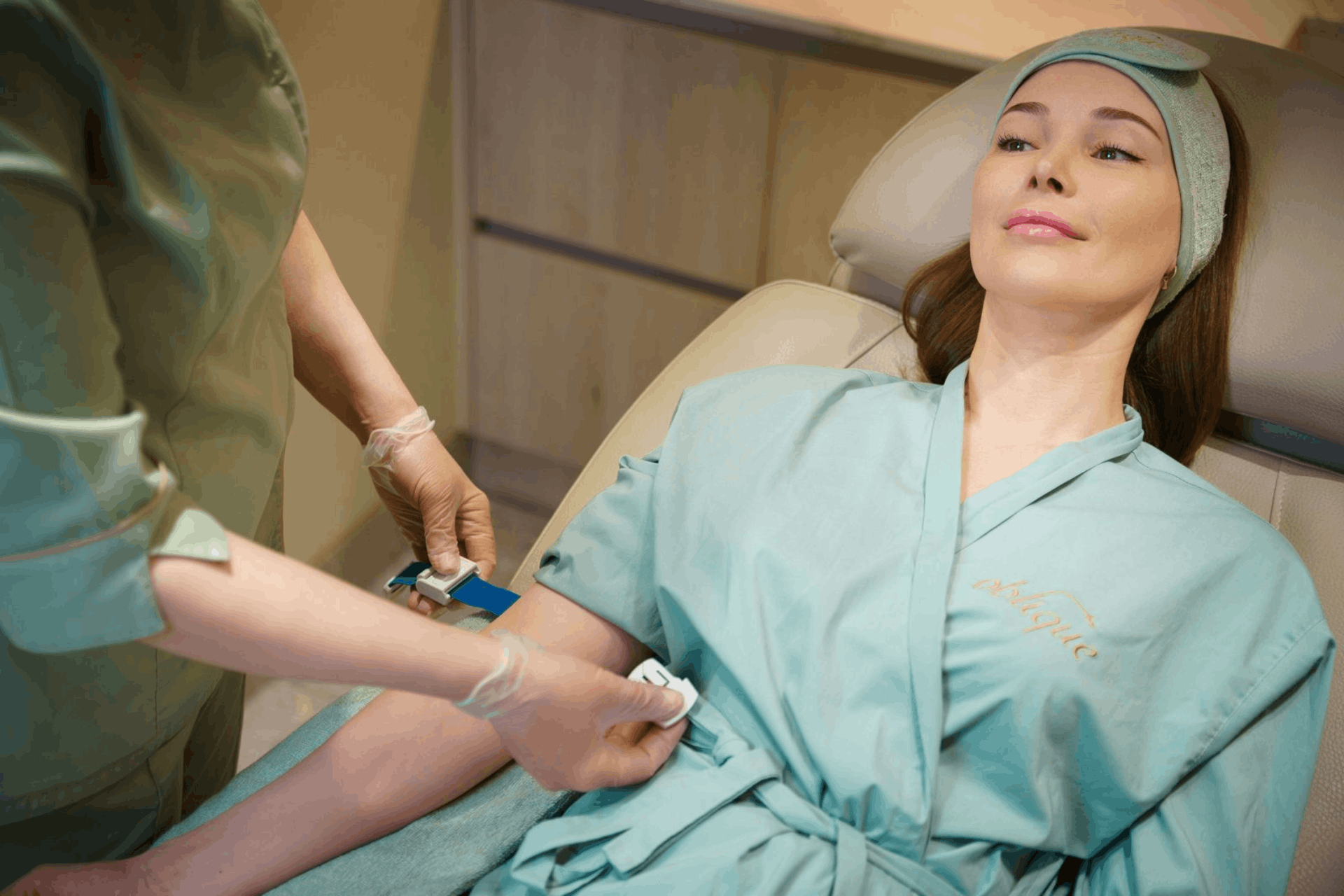
Your appointment begins with a consultation and a skin assessment. Your specialist maps the treatment areas, selects the appropriate cartridges and depths, and explains exactly what you will feel and why.
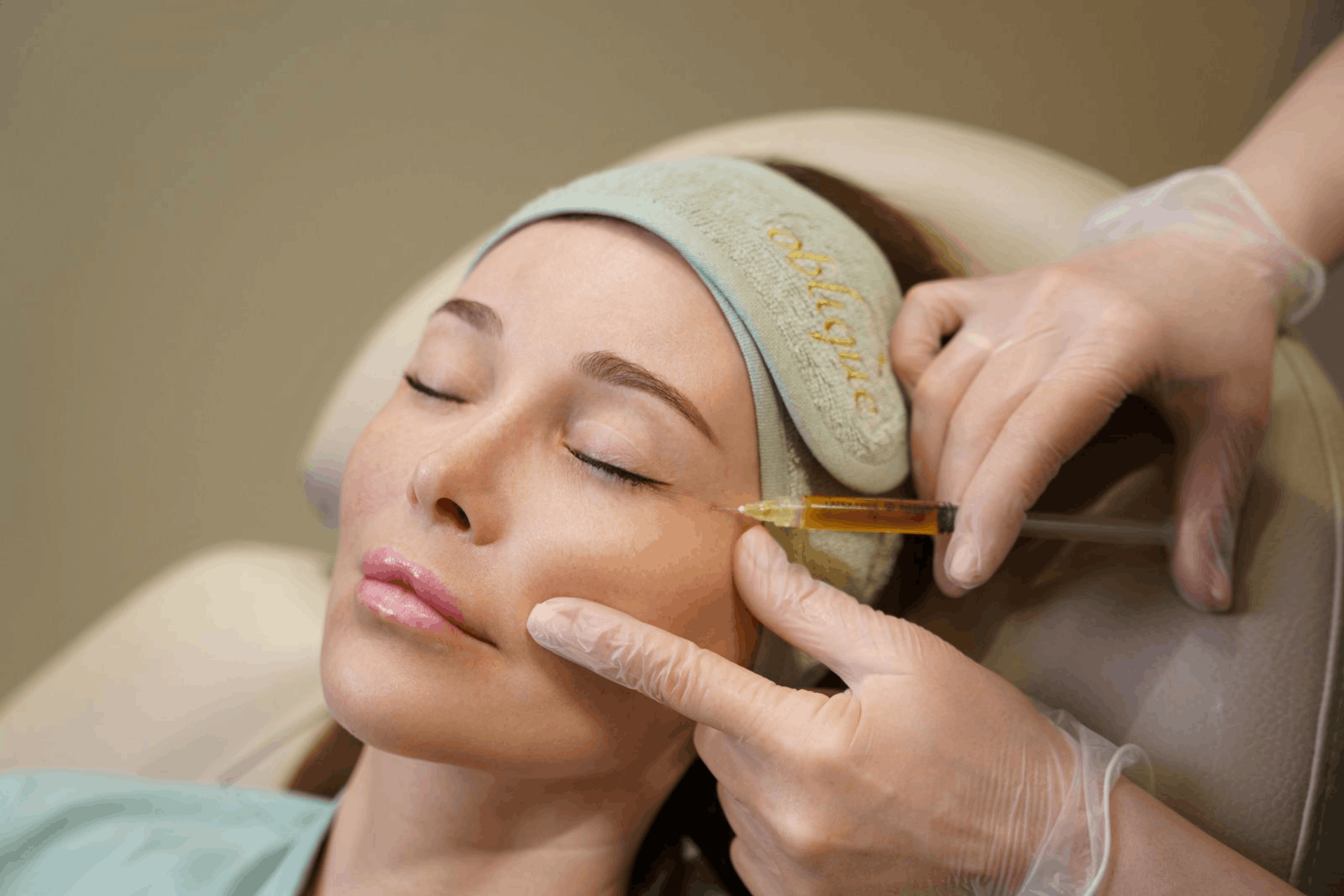
The treatment itself takes between thirty and ninety minutes depending on the areas covered. Most clients describe the sensation as brief points of warmth, more pronounced over bony areas such as the jaw, and entirely manageable throughout. There is no downtime. Skin may look slightly flushed for a few hours, and some clients notice mild tenderness for a day or two, similar to the feeling after exercise. You can return to your day, and your diary, immediately.
Aftercare is straightforward: good SPF, good hydration, and patience while the collagen does its work.
HIFU or a surgical facelift?
The comparison our clients weigh most often. The honest answer is that they solve different degrees of the same problem.
|
|
HIFU with Ultraformer III |
Surgical facelift |
|
Approach |
Focused ultrasound, non-invasive |
Surgical repositioning of tissue |
|
Anaesthetic |
None required |
General anaesthetic |
|
Downtime |
None |
Two to four weeks |
|
Results visible |
Gradually, over 8 to 12 weeks |
After healing |
|
Longevity |
Around a year or more, maintainable annually |
Several years |
|
Best suited to |
Early to moderate laxity |
Advanced laxity |
|
Reversibility of decision |
Fully, results soften naturally |
Permanent |
For clients in their late thirties to fifties who are beginning to see change and want to address it without surgery, HIFU is frequently the right first conversation. For some, it postpones the surgical question by years. For others, it answers it entirely.
Why the device and the hands matter equally
HIFU results vary widely across London, and the variation has two causes: the device and the practitioner. Focused ultrasound is only as good as the accuracy of its focus, which is why we invested in Ultraformer III rather than the lighter, salon-grade systems that have made the term HIFU inconsistent.
The second cause is judgement. Knowing where to place energy, at what depth, and where to leave well alone requires an understanding of facial anatomy that comes with specialisation. At House of Aesthetics, HIFU is delivered by specialists who work with advanced aesthetic technology daily, in the same rooms as Ultraformer III’s counterparts in our technology portfolio. Nearly a decade in South Kensington has taught us that clients can feel the difference in the consultation before they see it in the mirror.
Frequently asked questions
Does HIFU hurt?
Most clients find Ultraformer III comfortable. You will feel brief points of warmth as energy is delivered, more noticeable over bony areas. No anaesthetic is needed, and the sensation ends the moment the treatment does.
How long do HIFU results last?
Results typically last a year or more, varying with age, skin quality and lifestyle. Because collagen production continues for up to three months after treatment, results improve before they plateau. Many clients maintain them with a single annual session.
How many sessions will I need?
For most clients, one. Your specialist will assess your skin at consultation and advise honestly if your goals would be better served by a different treatment or a combined plan.
Is there any downtime?
No. Skin may look slightly flushed for a few hours and feel tender for a day or two. Normal life, including makeup, can resume immediately.
What age is best for HIFU?
There is no fixed age. HIFU suits skin showing early to moderate laxity, which for most clients means their late thirties onwards. The consultation, rather than the calendar, determines suitability.
How is Ultraformer III different from other HIFU devices?
Ultraformer III is a medical-grade system delivering both micro and macro focused ultrasound at three calibrated depths, with cartridges matched to each treatment area. It is used in leading aesthetic clinics worldwide and is known for precision and client comfort.
Is HIFU safe?
Yes, when performed with a medical-grade device by a trained specialist. HIFU has been used in aesthetic medicine for over a decade, and Ultraformer III delivers energy at calibrated depths without breaking the skin. Side effects are typically limited to temporary flushing or mild tenderness. Suitability is always confirmed at consultation.
Can HIFU be combined with other treatments?
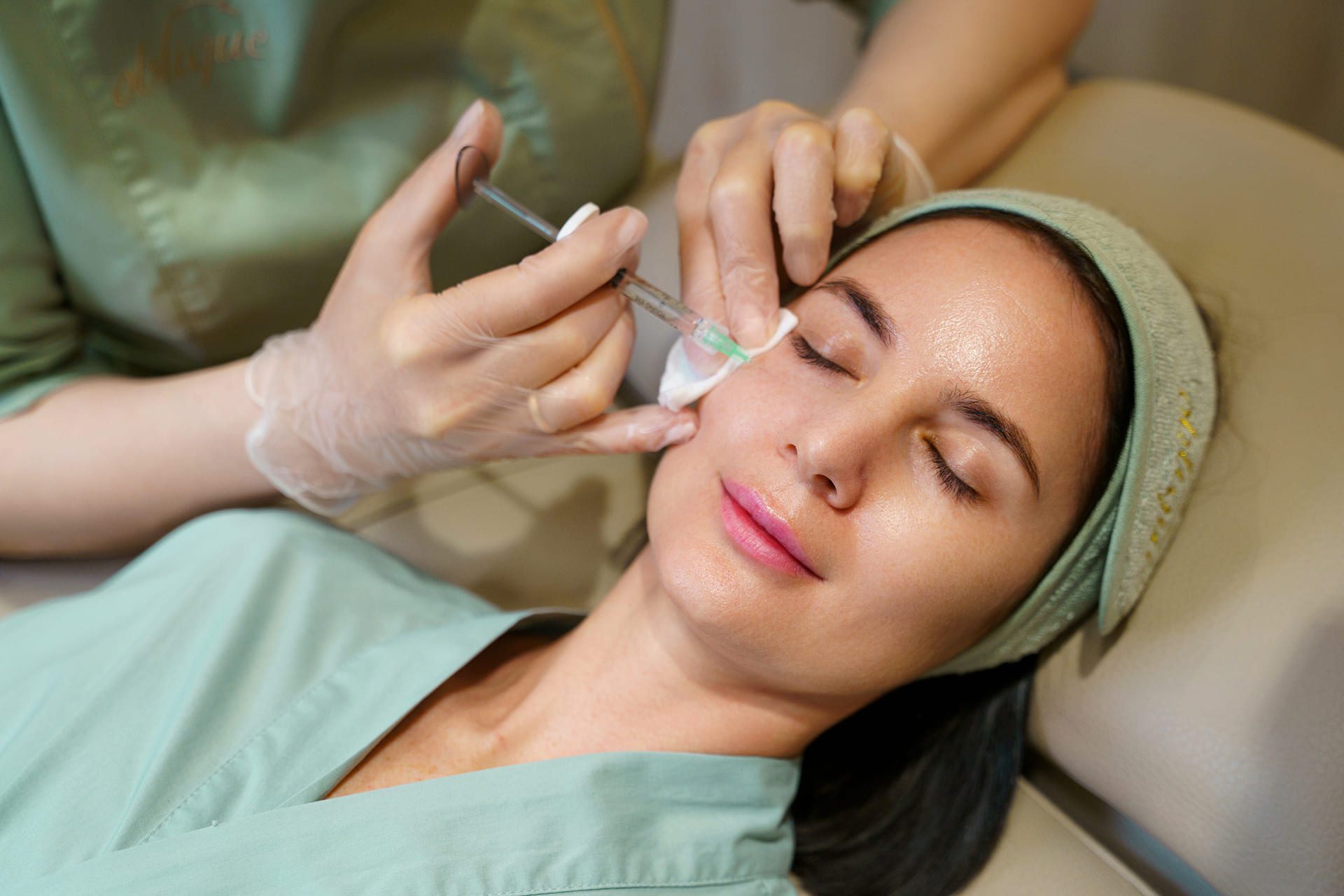
Yes, and often to advantage. Skin quality treatments, from Hydrafacial to medical-grade skincare protocols, complement the structural work HIFU performs. Your specialist will sequence them correctly at consultation.
Ultraformer III is available at House of Aesthetics, Oblique, South Kensington. To discuss whether HIFU is right for your skin, enquire online or arrange a consultation with our specialists.
Best services for you

30 min
Ultraformer 3 Hifu
from £490
Say goodbye to sagging skin with Ultraformer III. Boost collagen, tighten, and rejuvenate your skin for a radiant and youthful look.
Benefits
- Enhances Skin Elasticity
- Defines Contours
- Skin Rejuvenation
- Improves Skin Tone
- No downtime
- Effective Skin Tightening

Date of publication22/07/2026