Anti-Wrinkle Injections and Botox: What to Know Before You Book
-
date of publication: 17/09/2026
Reading TIME: 4 min 30 sec
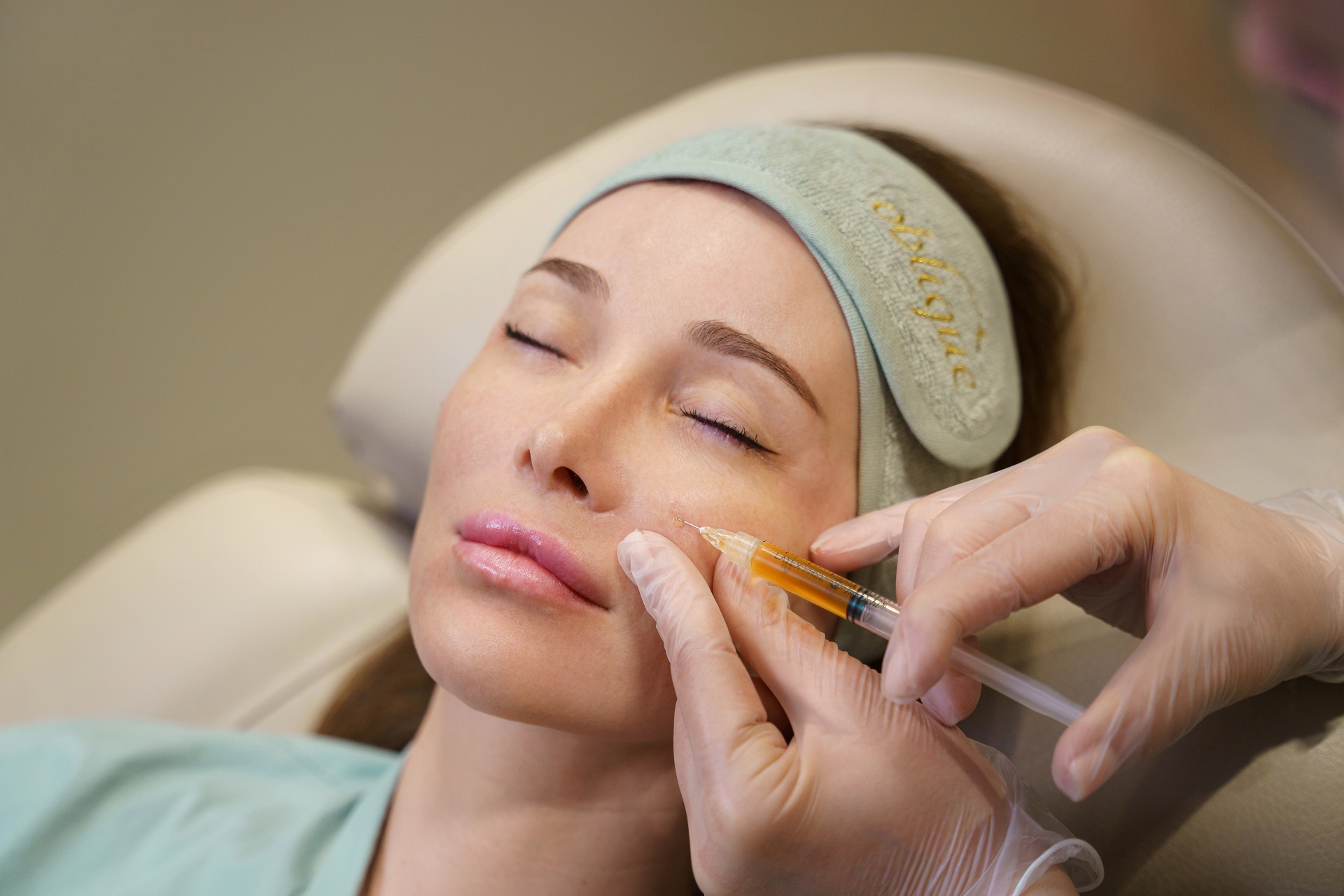
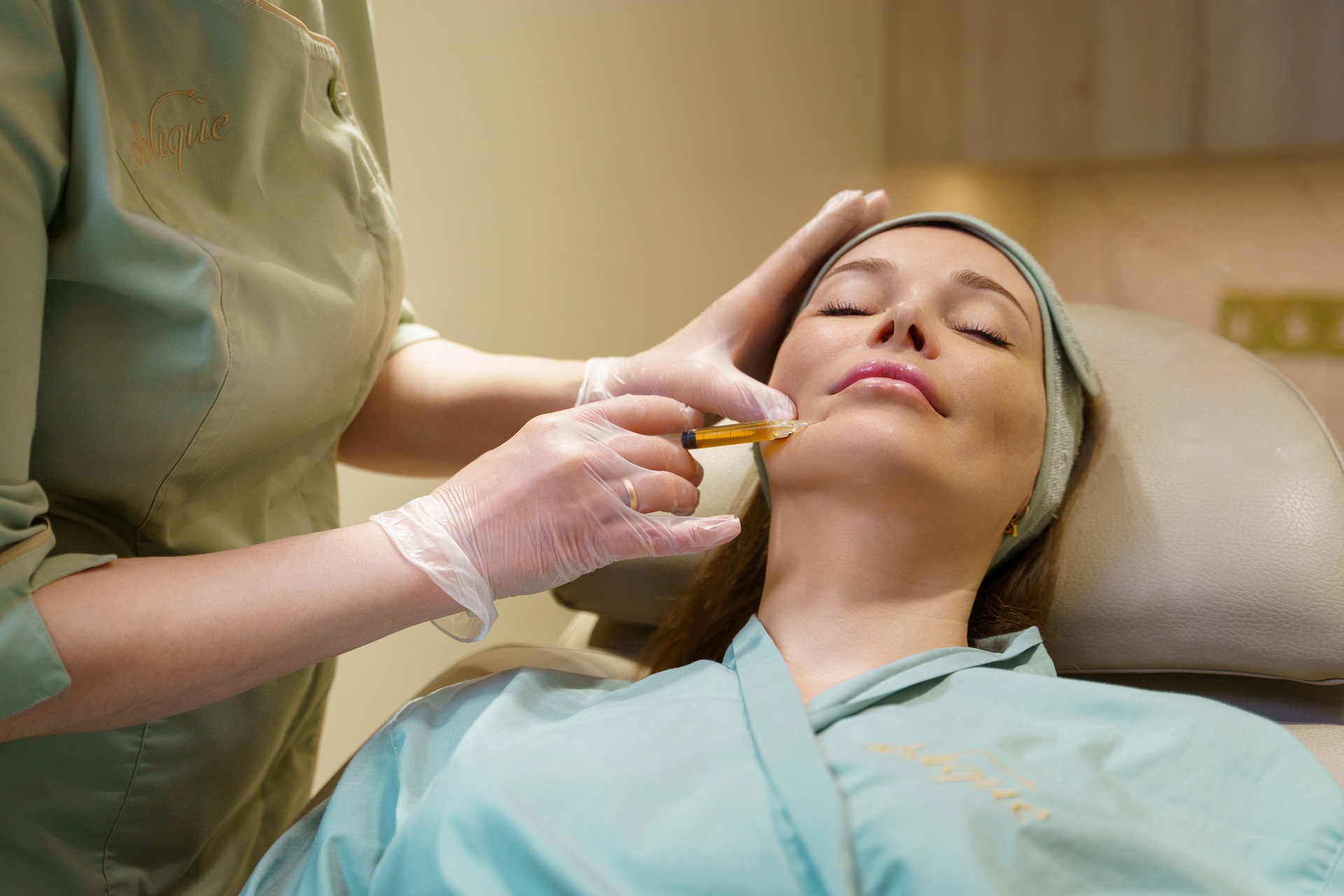
Anti-wrinkle injections use tiny doses of botulinum toxin to soften how forcefully a facial muscle contracts, which reduces the lines that muscle creates in the skin above it. The treatment takes about fifteen minutes, settles over two weeks, and lasts three to four months.
Botox is a brand name for one botulinum toxin product. Several licensed products exist, they behave slightly differently in dose and onset, and a prescriber chooses between them. If someone offers you an anti-wrinkle injection, they are offering botulinum toxin.
Botox is a brand name for one botulinum toxin product. Several licensed products exist, they behave slightly differently in dose and onset, and a prescriber chooses between them. If someone offers you an anti-wrinkle injection, they are offering botulinum toxin.
What matters most
- Treats lines caused by movement: frown lines, forehead lines, crow’s feet.
- Takes three days to begin working and ten to fourteen days to settle fully.
- Lasts three to four months, often longer with repeated treatment.
- Does nothing for volume loss, loose skin, texture or pigmentation.
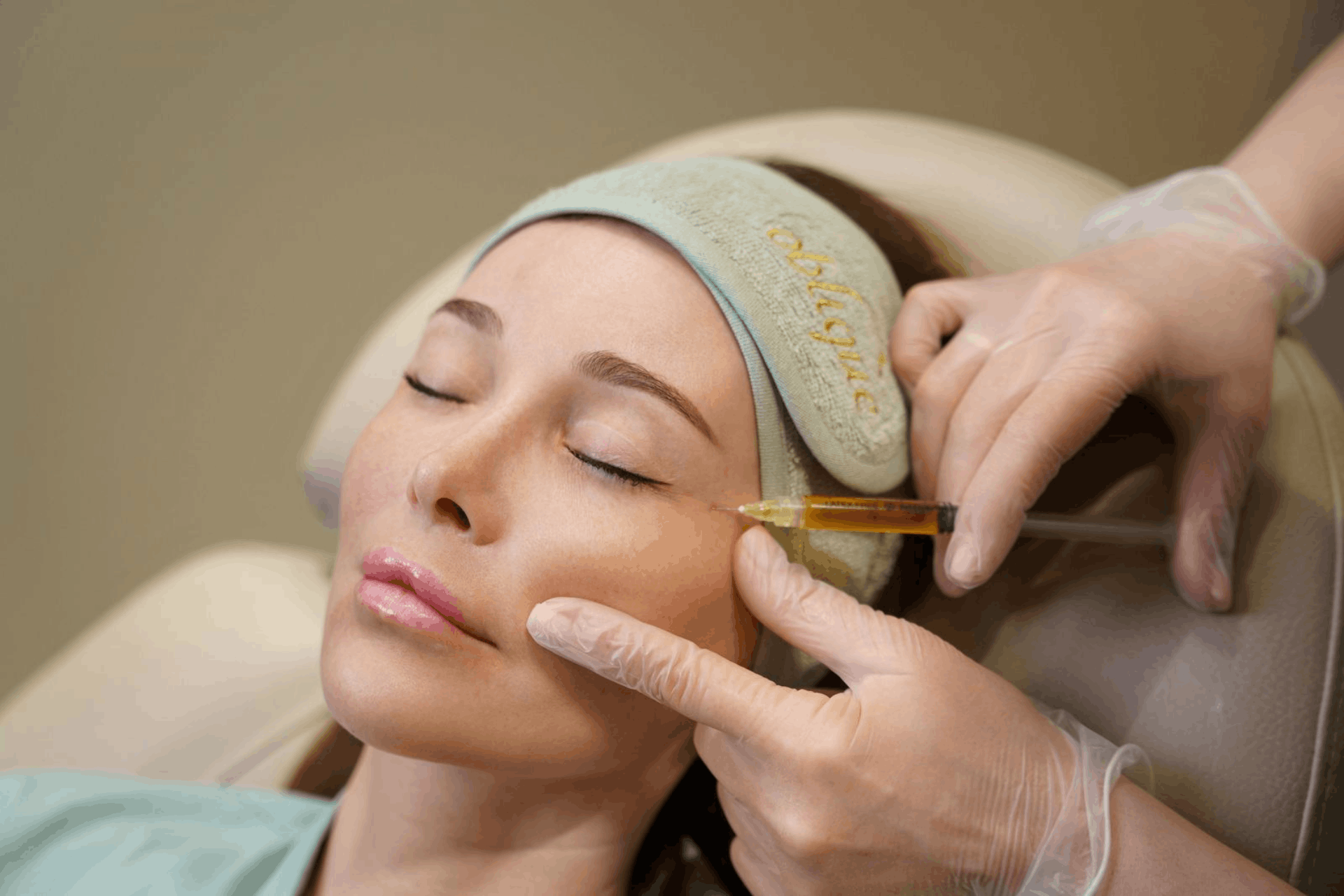
Which areas can be treated?
The upper face accounts for the great majority of treatment, because that is where muscle movement does most of the visible work.
| Area | The line it creates | Notes |
| Glabella (between the brows) | Vertical frown lines, often called elevens | The most treated area, and the one with the most evidence behind it |
| Forehead | Horizontal lines across the brow | Almost always treated alongside the glabella, since treating it alone can drop the brow |
| Crow’s feet | Fine lines fanning from the outer eye | Responds well; the skin here is thin, so dosing is conservative |
| Brow lift | Not a line | Small doses placed to lift the outer brow a few millimetres |
| Bunny lines | Diagonal lines on the sides of the nose | Often appear or become more obvious once the glabella is treated |
Lower-face and neck treatment exists, including the jaw muscles, the chin, the neck bands and the corners of the mouth. It is more technique-dependent and assessed individually rather than offered from a menu.
Anti-wrinkle injections can also be used away from the face to reduce excessive sweating. In the underarms, small doses are placed just beneath the skin to calm the sweat glands and keep the area drier for several months. The same principle can be used on the palms, particularly the inner surface of the hands, where sweating can interfere with grip, comfort or confidence in day-to-day tasks. These treatments are assessed separately from cosmetic wrinkle treatment, because the dose, placement and aftercare are different.
How many units will I need?
There is no useful, fixed number, because the right amount depends on how your muscles move, the area being treated and the result you want. Some areas need a lighter touch, while stronger muscles may need a little more to soften movement effectively.
During your consultation, your practitioner will look at how you frown, lift your brows and smile before deciding what is appropriate. The aim is to soften the lines you notice while keeping your expression natural and balanced.
How long does it take to work, and how long does it last?
Nothing happens for the first few days. Movement begins to soften around day three. The result settles fully between days ten and fourteen, which is why any review appointment belongs at the two-week mark rather than earlier.
Expect three to four months. Some people hold a result for longer, and duration often extends with repeated treatment as the muscle adapts. Very active people sometimes metabolise it faster.If you have an event, allow two weeks. That covers the settling period and any pinpoint bruising, with room to spare.
Expect three to four months. Some people hold a result for longer, and duration often extends with repeated treatment as the muscle adapts. Very active people sometimes metabolise it faster.If you have an event, allow two weeks. That covers the settling period and any pinpoint bruising, with room to spare.
Why you should not ask for an early top-up
If your result seems to fade at six or eight weeks, the answer is a dosing review at your next appointment rather than an extra injection now.
A minimum twelve-week interval between treatments is the conservative standard. Short intervals and high cumulative doses are the conditions under which the body can become less responsive to botulinum toxin over time. Losing responsiveness is genuinely rare in cosmetic use, and waiting is how it stays rare.
What age should you start? The three-mirror check
There is no correct age. What matters is whether a line is already visible when your face is completely still, and how forcefully the muscle beneath it contracts. Most people who genuinely qualify are somewhere between their late twenties and mid thirties, which follows from how muscles behave rather than from a birthday.This is the assessment we run at the start of every consultation at Oblique, and you can do most of it yourself. Stand in daylight and let your face go completely still.
First, look at your face at rest
Examine your forehead, the space between your brows and the outer corners of your eyes.
Nothing visible when relaxed. Nothing has set yet. Move to the second step.
A faint line at rest that vanishes when you gently stretch the skin. This is the window. Early lines respond well, and some of what has formed can soften.
A line that stays put even when you stretch the skin. Prevention has passed for that line. Treatment will still soften it, and lasting improvement needs something that rebuilds collagen alongside it, whether PRP, microneedling or resurfacing.
Second, look at your face on animation
Frown hard. Raise your brows. Smile as widely as you can. Deep, sharply defined lines with visible muscle bulk mean a heavy folding load and a real case for treating early. Soft, diffuse lines mean there is little to prevent, whatever your age.
Third, check whether your face is even
Many people habitually lift one brow, or squint on one side while driving. One-sided movement etches unevenly over years, and it is one of the better reasons to intervene before the difference sets.
If the check says no
Then it is no, for now. Daily SPF and a retinoid will do more for your face this year than any injection, and that is what you should expect to hear from us. Look again in a year.
Does it actually prevent wrinkles?
Yes, it can help prevent one specific type of wrinkle: the lines caused by repeated facial movement. When the same muscle folds the same area of skin many times a day, softening that movement can help stop the line from becoming deeper and more fixed over time.It is important to be clear about what anti-wrinkle treatment can and cannot do. It works on expression lines, such as frown lines, forehead lines and crow’s feet. It does not treat changes caused by sun exposure, skin laxity, volume loss or reduced collagen, so skincare and skin-quality treatments still have an important role.
In consultation, a therapist look at whether the line is only present when you move, or whether it is already visible when your face is relaxed. If it is still only movement-related, a carefully placed, conservative dose can be a sensible preventative option.
That said, it is not something everyone needs early. If there are no fixed lines and the muscle movement is not especially strong, good daily SPF, appropriate skincare and time may be the better plan for now.
The usual advice is to treat only when there is a genuine reason to do so: clear movement patterns, early lines beginning to settle, or asymmetry that is likely to deepen. The aim is not to stop expression, but to reduce excess movement enough to keep the skin looking smoother for longer.
What is Baby Botox?
Baby Botox describes low-dose treatment: fewer units, placed conservatively, movement preserved. It suits someone with strong muscle activity and no set lines yet, and it costs less than full-strength treatment.
The logic is simple. Corrective treatment sets out to erase a line. Preventative treatment sets out to reduce how far a muscle travels while leaving your expression intact. Two different aims, and two different doses. Low-dose protocols can be delivered with any licensed product; the brand name attached to the phrase is incidental.
Anti-wrinkle injections or dermal filler: which do you need?
The most common confusion in aesthetics, and the answer is usually straightforward once you know what each one does.
| Anti-wrinkle injections | Dermal filler | |
| What it does | Relaxes a muscle | Adds volume beneath the skin |
| Treats | Lines that appear when you move | Lines and hollows present when still |
| Typical areas | Forehead, frown lines, crow’s feet | Cheeks, tear troughs, nasolabial folds, lips, jawline |
| Onset | Three to fourteen days | Immediate |
| Lasts | Three to four months | Six to eighteen months |
The practical test: make the line disappear by relaxing your face. If it goes, muscle is responsible and injections are the answer. If it stays, the cause is volume or skin quality, and filler or a collagen-stimulating treatment is the better route. Many faces need both, in different places, which is what a consultation is for.
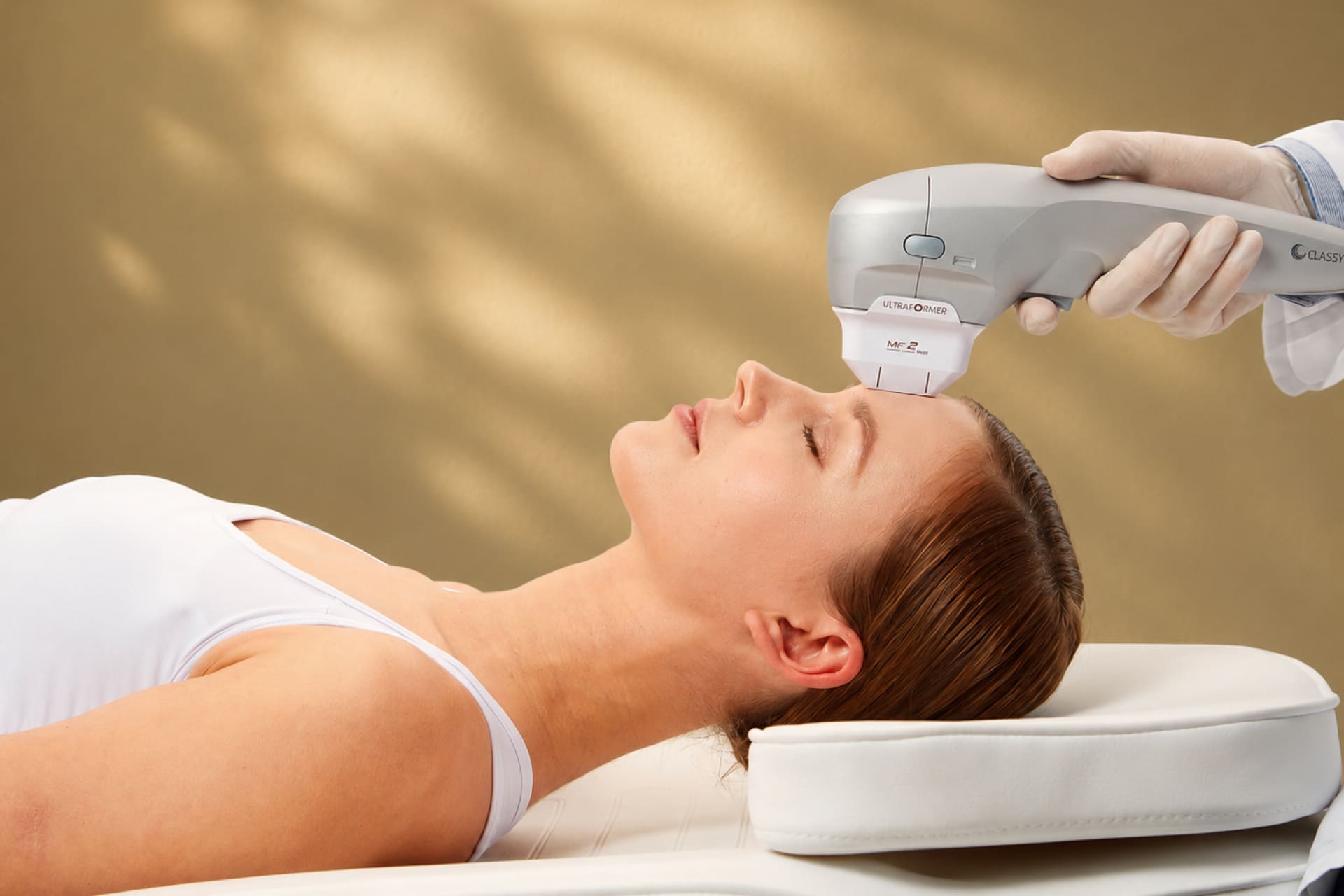
Loose skin and a heavy jawline belong to neither category. That is tightening work, such as Ultraformer III.
What is the appointment like, and does it hurt?
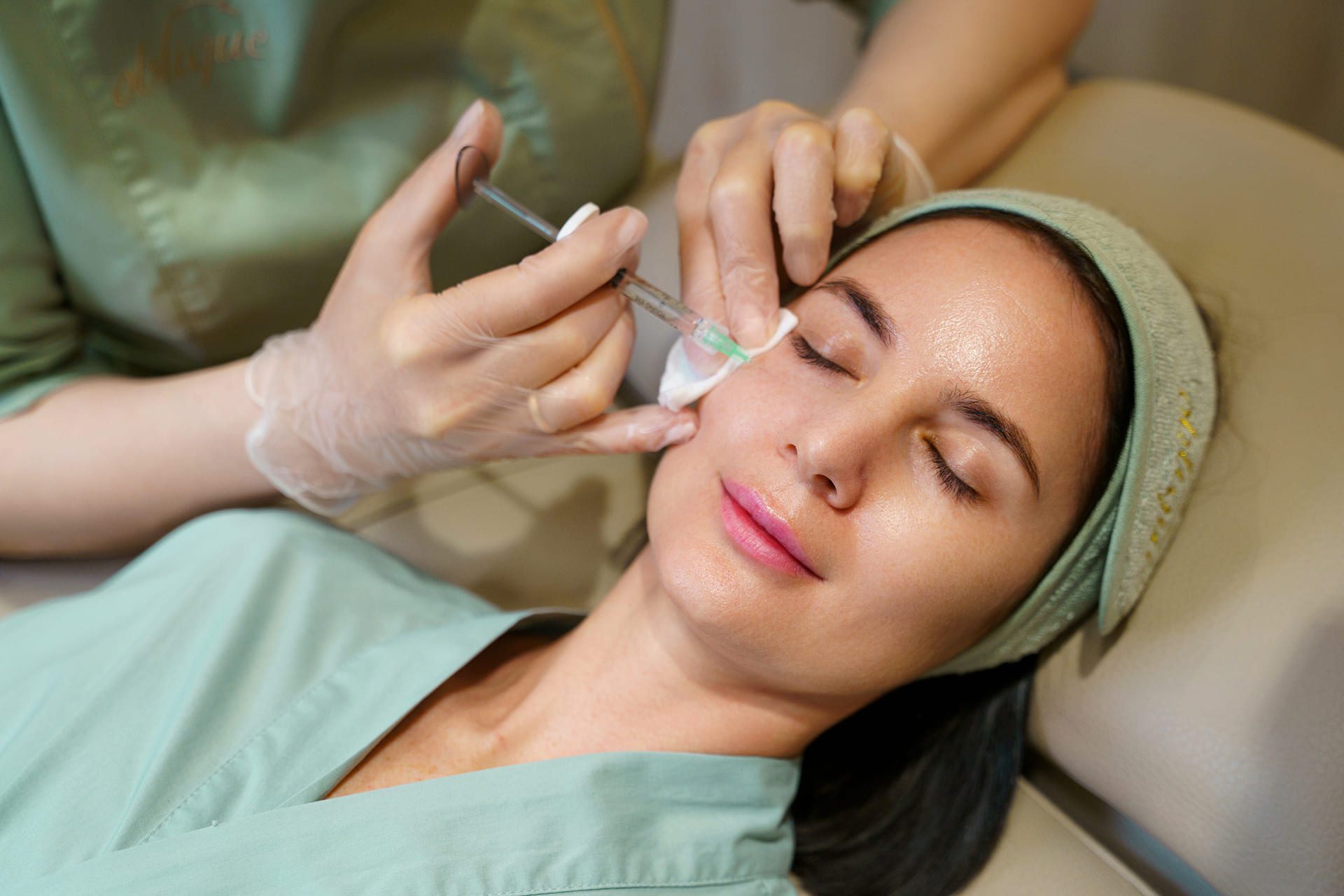
The assessment takes longer than the treatment. Your practitioner watches you move, in detail: frown, lift, squint, smile. Strength and pattern differ between faces, which is why a template dose produces a template result.The injections themselves take around fifteen minutes. Each feels like a brief sharp scratch, and no anaesthetic is needed. Most people find it easier than they expected.
You can go back to your day straight away.
What should you avoid after anti-wrinkle injections?
- Stay upright for four hours. No lying flat, no face-down massage.
- No exercise for twenty-four hours. Raised blood pressure and inversion in the first day are best avoided.
- Do not rub, press or massage the treated area for twenty-four hours.
- No facials, massage or microneedling on the area for two weeks.
- Skip the sauna, steam room and hot yoga for twenty-four hours.
- Go easy on alcohol on the day, which reduces bruising.
- Make-up is fine after a few hours, applied gentlyg.
You can, and should, frown as much as you like. Actively using the muscles in the first few hours does no harm and may help uptake.
Will I look frozen, and what are the risks?
At sensible doses, no. A frozen result comes from too much product in the wrong place, and it is a dosing decision rather than an inevitable feature of the treatment. The aim is softer movement with your expression intact, which is why the assessment matters as much as the injection.Common side effects are minor and pass within days. Pinpoint bruising, small raised bumps for twenty to thirty minutes, a mild headache for a day or two, and a transient heavy feeling in the forehead while the effect settles.
The ones worth asking about are technique-dependent. Brow heaviness, a drooping eyelid, unevenness, an oddly arched brow from patchy relaxation. All are temporary. All are largely avoidable through correct assessment and placement, which is the part of the appointment you are really paying for.
What happens if I stop?
Muscle movement returns across three to six months and your face carries on ageing from where it has reached. You will not be worse off than if you had never started, despite how persistently that fear circulates. Repeated treatment does reduce bulk in the treated muscle, and the published position is that this reverses once treatment stops.
Who should not have treatment?
Anti-wrinkle injections are not suitable for everyone. Treatment is not offered for cosmetic reasons to anyone under eighteen, and it is usually avoided during pregnancy or breastfeeding. It may also be unsuitable if you have certain muscle or nerve conditions, a known allergy to the product, an active skin infection in the treatment area, or are taking medication that could affect how the treatment works. These points are checked carefully during consultation.A good consultation also considers whether this is the right treatment for your concern. Anti-wrinkle injections work best for lines caused by repeated muscle movement; they do not improve skin texture, pore size, loose skin, hollowing or deeper folds. If another treatment would suit you better, or if the result you want cannot be achieved safely, the right advice is to wait or choose a different approach.
Frequently asked questions
Is Botox the same as anti-wrinkle injections?
Botox is a brand name for one botulinum toxin product. Anti-wrinkle injections is the general term covering all licensed botulinum toxin products used for this purpose. The treatment is the same category; the product is a prescriber’s choice.
What age should I start anti-wrinkle injections?
There is no correct age. What matters is whether a line is visible when your face is at rest and how forcefully the muscle beneath contracts. Most genuine candidates fall between their late twenties and mid thirties.
How long does it take to work?
Movement begins to soften around day three, and the result settles fully between days ten and fourteen.
How long does it last?
Three to four months at typical doses, often longer with repeated treatment. The minimum recommended interval between sessions is twelve weeks.
Does it hurt?
A brief scratch at each injection point, with no anaesthetic needed. Most people find it easier than expected.
Will my face look frozen?
Not at sensible doses. A frozen result comes from too high a dose in the wrong place, which is a dosing decision rather than a feature of the treatment.
What should I avoid afterwards?
Stay upright for four hours, skip exercise, saunas and steam for twenty-four hours, avoid rubbing the area, and leave facials and massage for two weeks.
Can I exercise after anti-wrinkle injections?
Leave it twenty-four hours. Raised blood pressure and inverted positions in the first day are best avoided.
What happens if I stop?
Movement returns over three to six months and your face resumes ageing from where it has reached. You will not be worse off than if you had never started.
Anti-wrinkle injections or filler for my forehead lines?
If the lines vanish when you relax your face, injections are the answer. If they remain when your face is completely still, the cause is volume or skin quality and a different treatment applies.
How soon before an event should I book?
Two weeks. That covers the settling period and any pinpoint bruising with room to spare.
Can I combine it with other treatments?
Yes, and it is common. Skin quality and firmness need different tools, whether PRP, polynucleotides or Ultraformer III. Most practitioners leave a fortnight between treatments so any reaction stays attributable to one of them.
Book a consultation in South Kensington
The most useful appointment begins with an honest assessment, including the possibility that this year the answer is sun protection and a retinoid rather than an injection. At Oblique House of Aesthetics, that is where every consultation starts, and it is why the three-mirror check comes before any conversation about dose. Enquire about anti-wrinkle injections, 89 Old Brompton Road, South Kensington, London.

Date of publication17/09/2026