PRP Facial: What It Does, What It Costs, and Who It Actually Suits
-
date of publication: 15/09/2026
Reading TIME: 5 min 50 sec
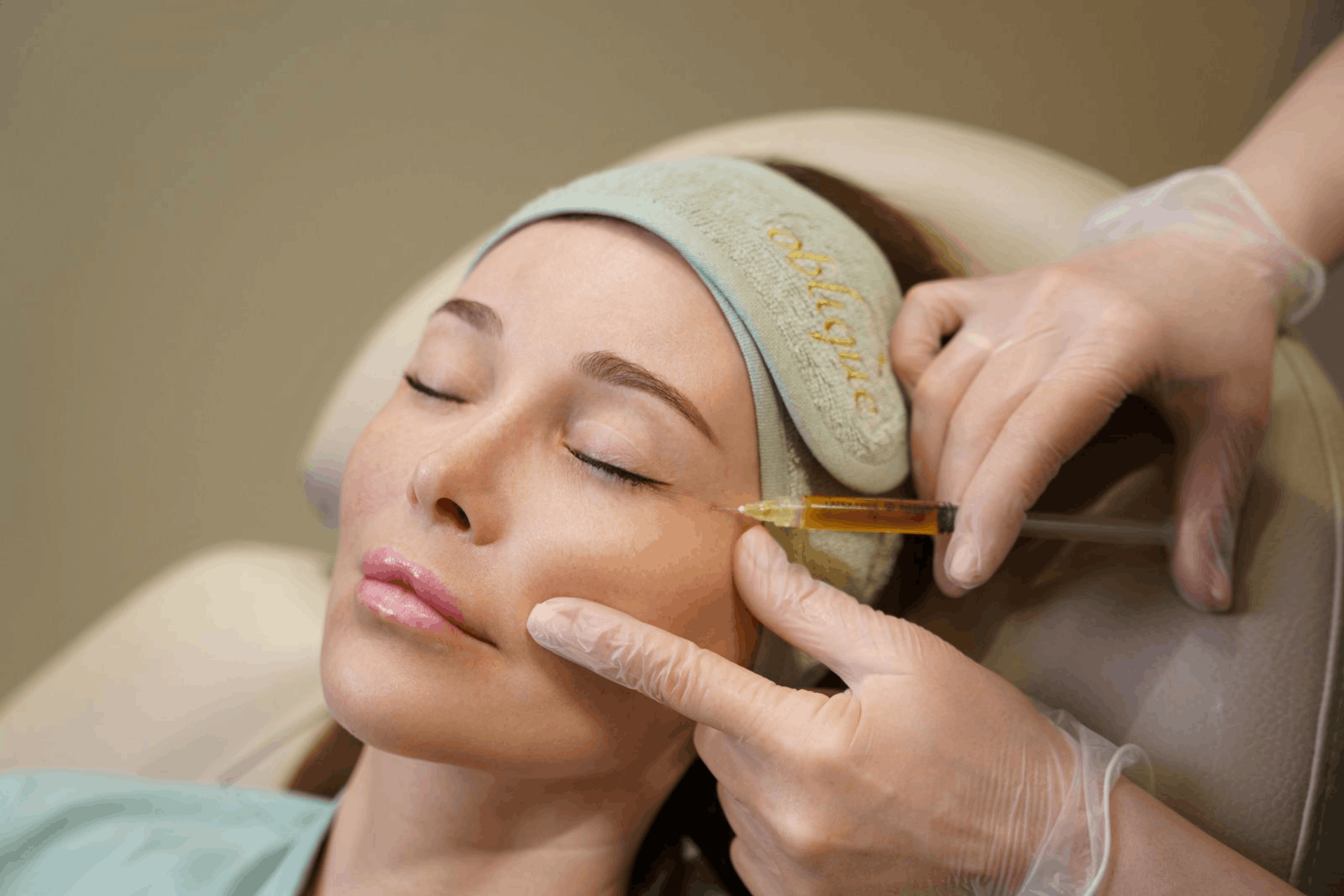
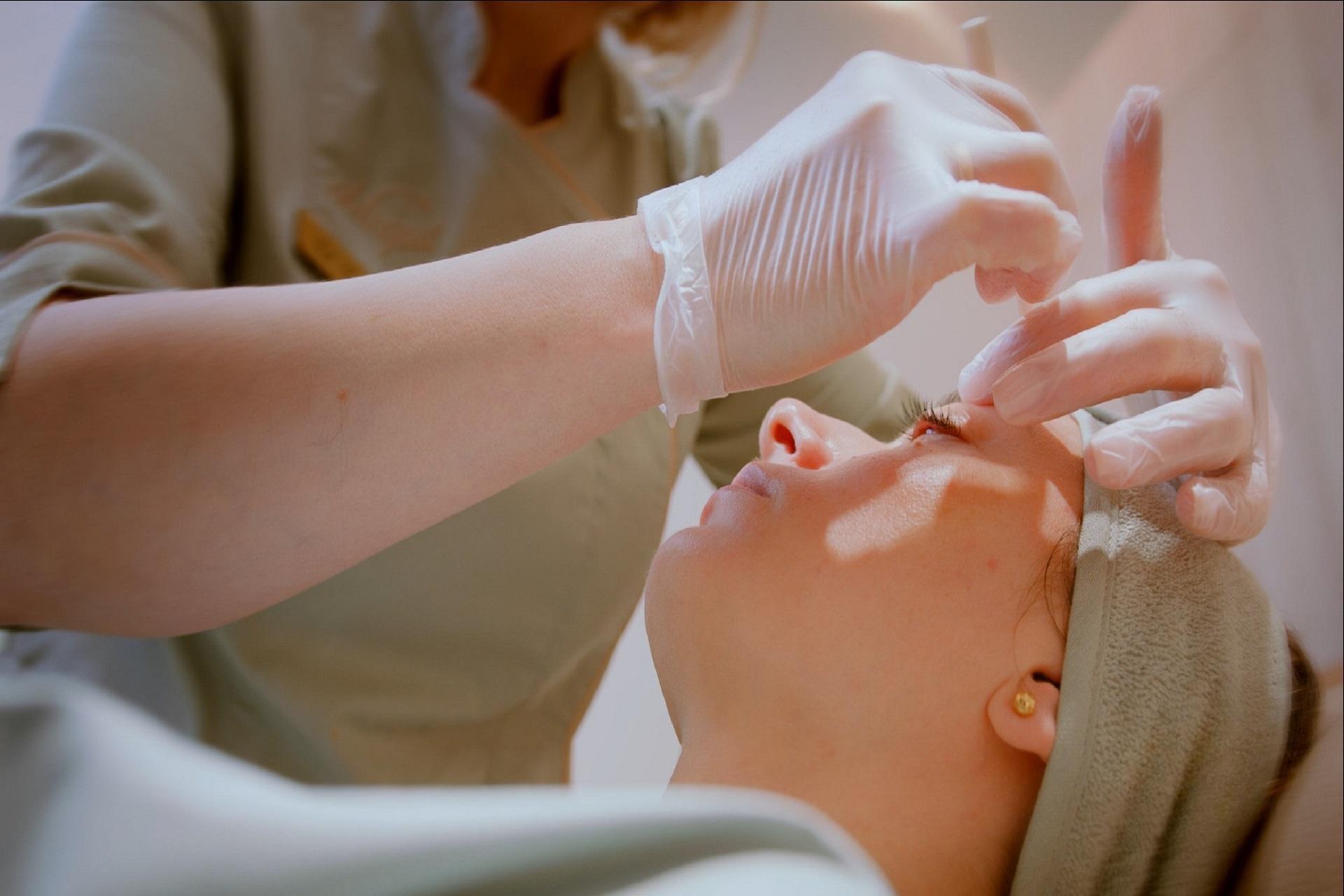
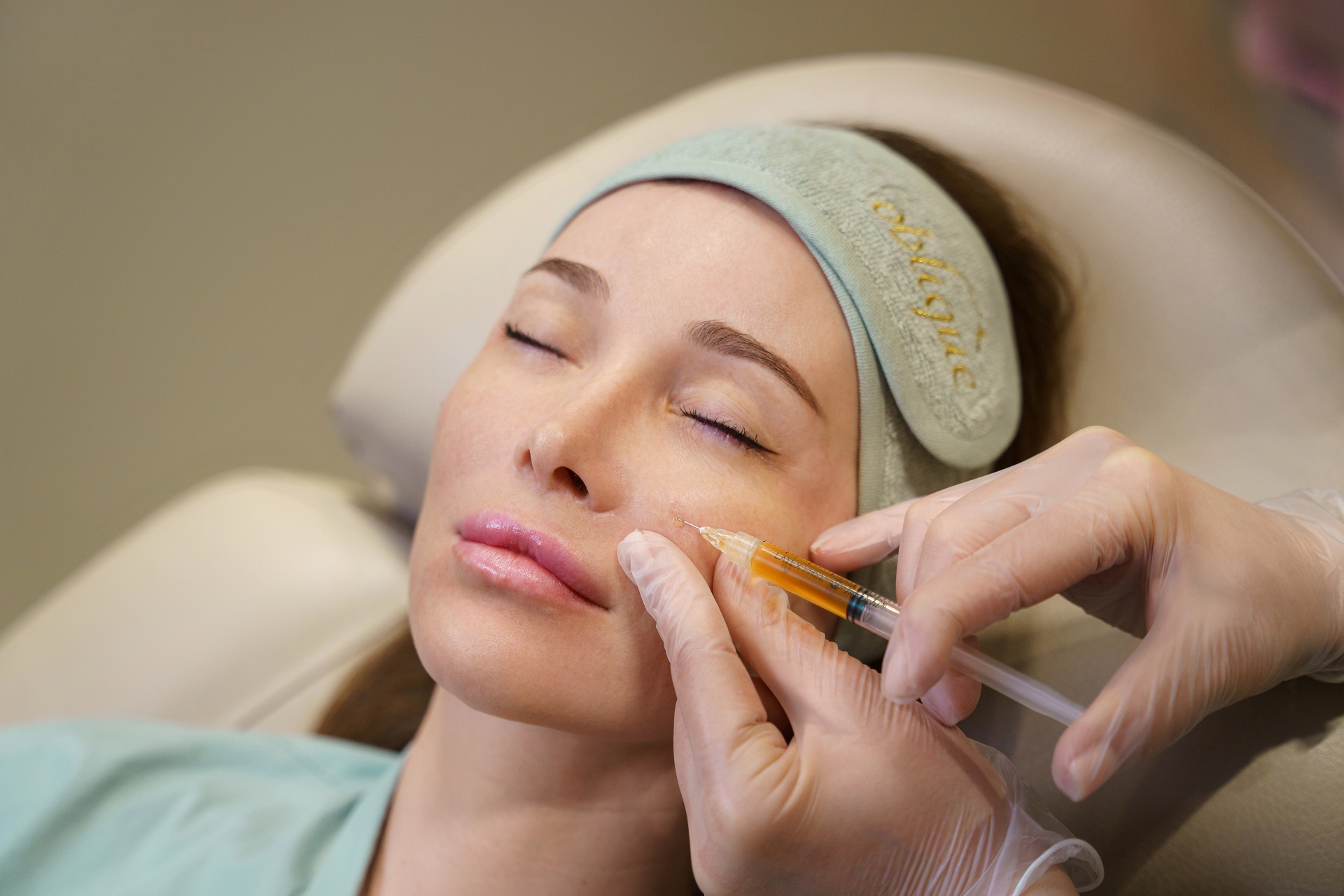
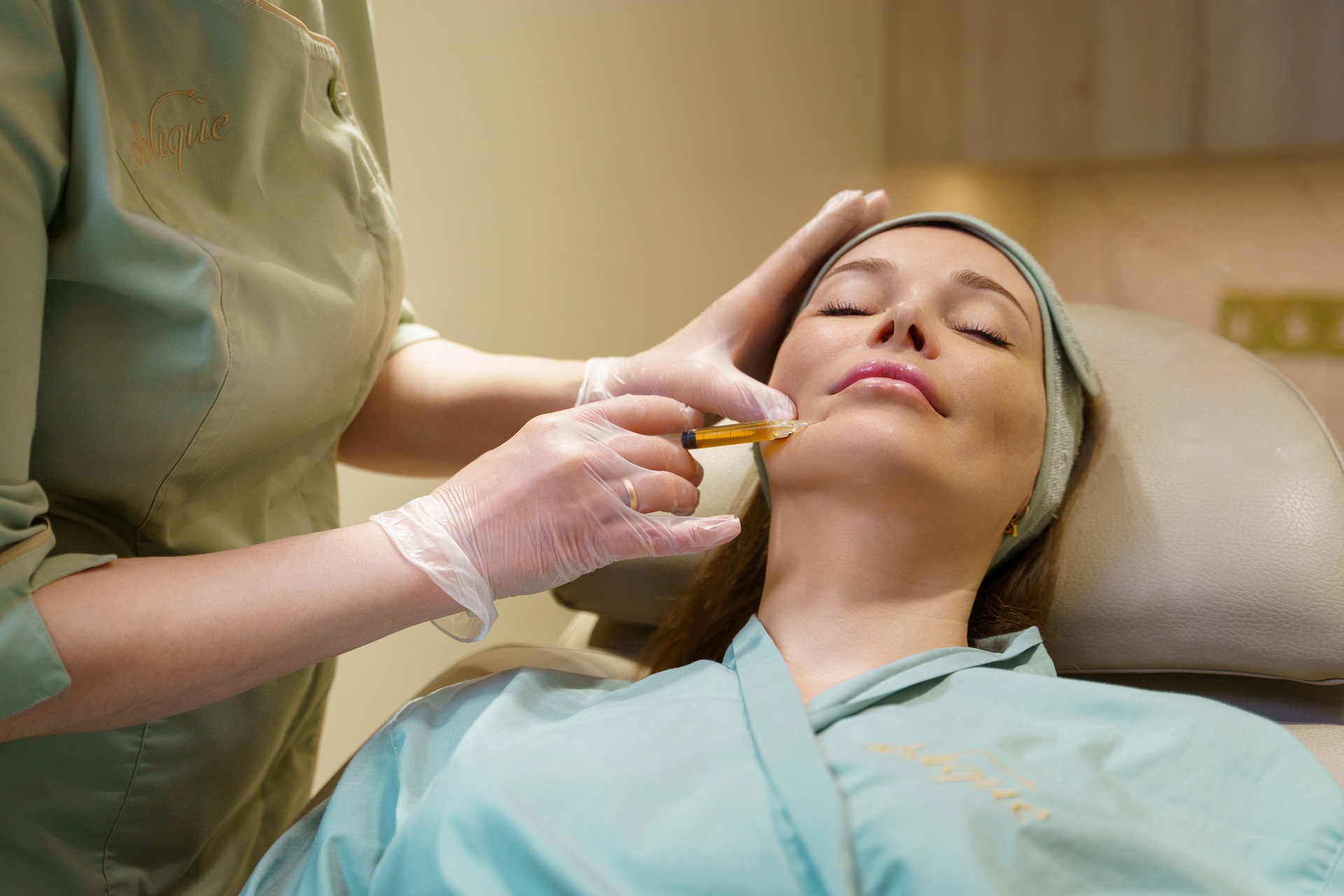
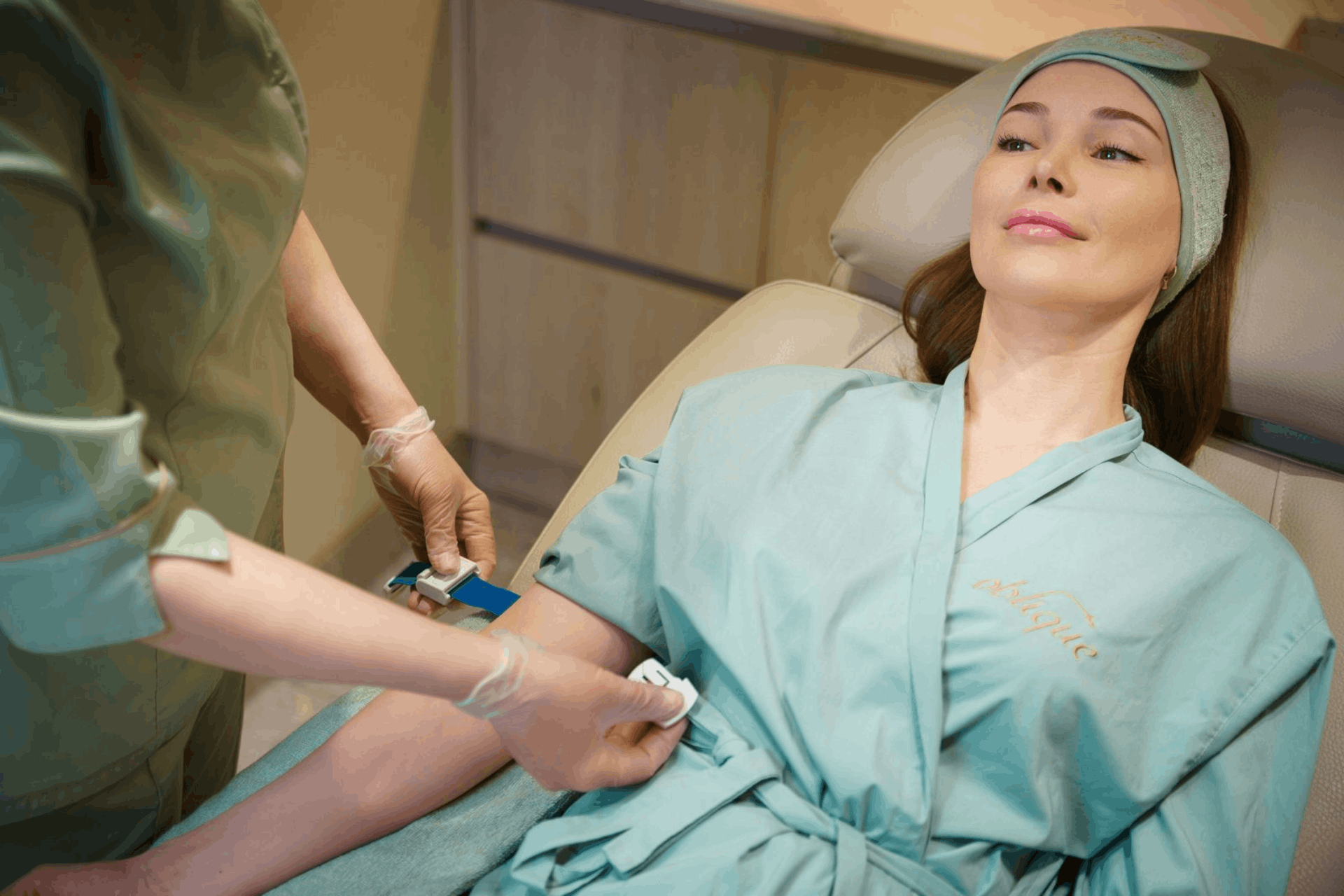
A PRP facial uses a small amount of your own blood to improve the quality of your skin. Blood is drawn during the appointment, spun in a centrifuge to separate out the platelet-rich layer, and returned to the skin through microneedling or fine injections. The platelets carry the signals your body already uses to repair itself, and once they are in the skin they prompt it to build new collagen over the following weeks.
Nothing synthetic is involved, which is much of the appeal. There is no product to react to, because the material is yours.
Nothing synthetic is involved, which is much of the appeal. There is no product to react to, because the material is yours.
What matters most
- PRP improves skin quality, texture, fine lines and superficial scarring. It adds no volume and creates no lift.
- The strongest results come in acne scarring and in combination with microneedling or laser.
- A course is three sessions four weeks apart, with maintenance every six to twelve months.
- Visible change arrives at four to six weeks, and peaks between weeks eight and twelve.
How does PRP work on the skin?
Platelets carry small packets of growth factors, and they release them quickly. Research published in Biomedicines in 2024 found that at least 95% of that release happens within the first hour, after which the platelets keep producing further signals for around seven days.
That brief burst starts a much longer process. Fibroblasts, the cells that build collagen, switch into activity. New collagen is laid down. The skin remodels over six to twelve weeks.
Which explains the two things clients find most frustrating about PRP: why there is so little to see at the two-week mark, and why a single session delivers a fraction of what a course does. The treatment does not put anything into your face. It asks your face to do something, and then waits.
Does a PRP facial actually work?
Yes, within limits. PRP produces a real improvement in the quality of skin. It does not lift, and it does not add volume.
The clearest results come in acne scarring, particularly when PRP is paired with laser. A 2022 review in Dermatologic Therapy found the combination improved scars beyond laser alone, and shortened the redness that follows the laser. Trials in general facial rejuvenation point the same way: modest gains, good safety, short follow-up.
More interesting is how much of the benefit seems to come from the healing response itself. A split-face study in 2024 compared PRP against plasma with the platelets taken out. Both sides improved around the eyes, and the difference between them was too small to call.
What does a PRP facial help with?
Skin that has lost quality rather than shape
Dullness, rough texture, fine lines, enlarged pores and uneven tone. The tired look that no amount of highlighter corrects, because the problem is beneath the surface rather than on it. This is PRP’s core territory.
Acne scarring
Particularly the softer rolling and boxcar scars, and particularly alongside laser or microneedling. Ice-pick scarring responds less well to anything, PRP included.
The skin under and around the eyes
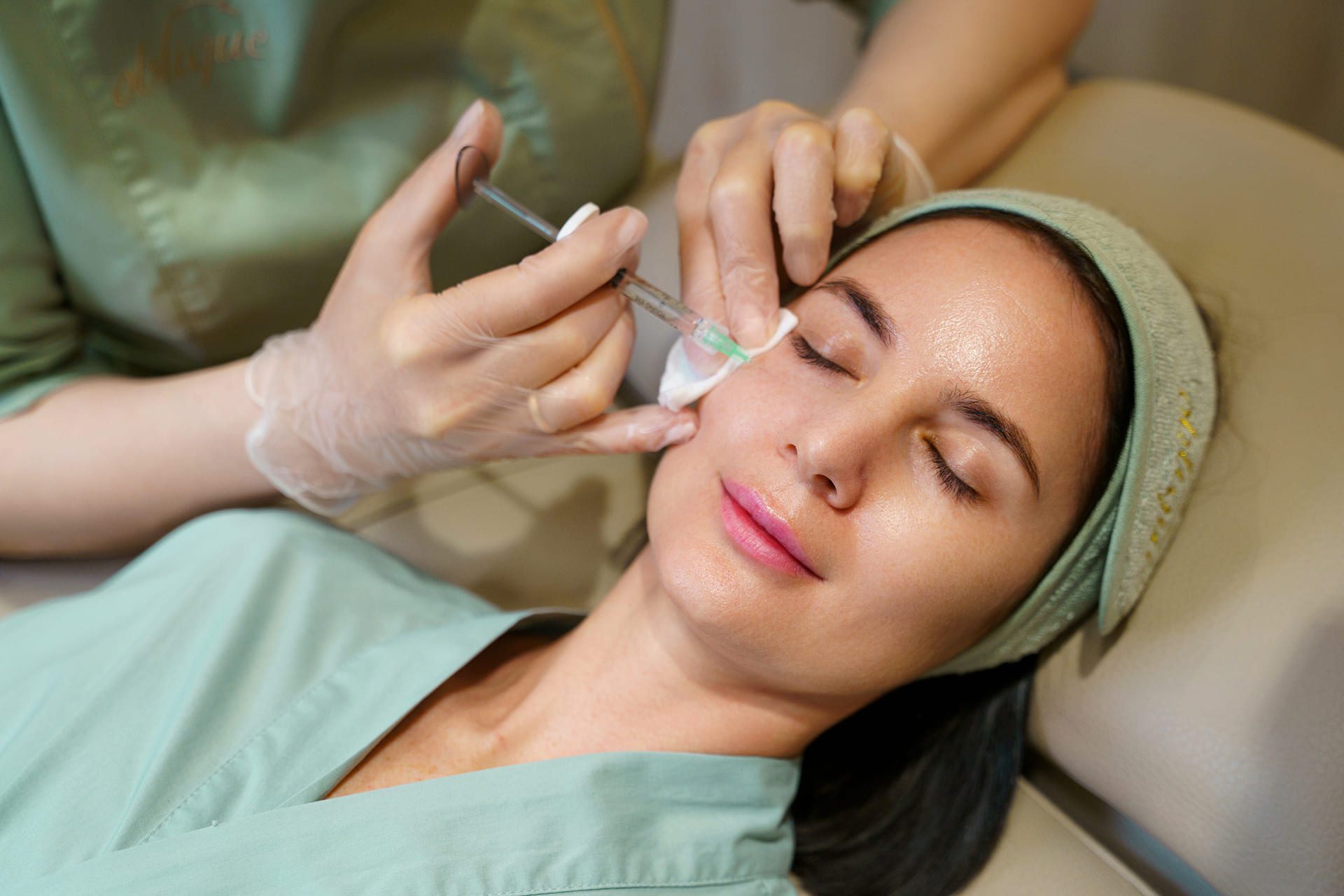
Crepey, thin, finely lined skin in the under-eye area often cannot take filler safely. PRP thickens and improves the quality of that skin instead, which softens shadowing without adding anything to the area.
Worth being precise here, because it is the query we are asked about most. PRP can improve dark circles caused by thin, crepey skin. It does nothing for dark circles caused by hollowing or by pigment, which are different problems needing different treatments. The three often occur together, which is why the assessment matters.
Before and after resurfacing
PRP is a sensible way to prepare skin for a resurfacing course, and a good way to maintain the result afterwards.
What will PRP not do?
PRP is not a filler. It contains no hyaluronic acid and adds no volume. If your face looks plumper on day two, that is swelling settling.
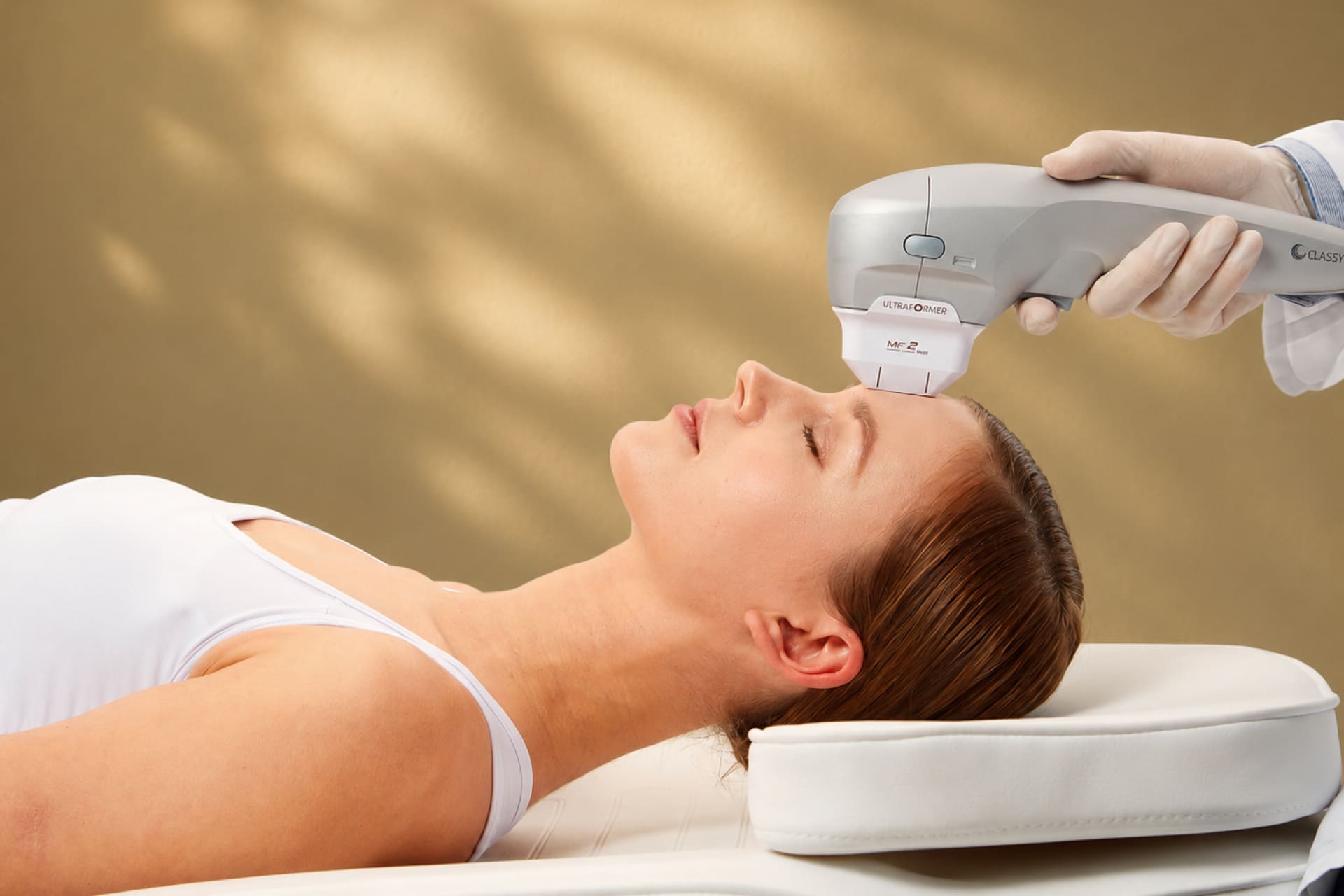
It will not correct deep folds or replace lost volume, which needs hyaluronic acid. It will not lift a heavy jawline or brow, which needs energy-based tightening such as Ultraformer III. It will not soften expression lines, which come from muscle movement and are treated accordingly. Its effect on melasma and established pigmentation is weak.
And one session will not achieve much. Most disappointment with PRP traces back to a single appointment and an expectation built for three.
How does PRP compare with other treatments?
| What it does | Best for | Course | |
| PRP | Your own platelets prompt collagen production | Texture, acne scars, crepey eye skin | 3 sessions, 4 weeks apart |
| Polynucleotides | A manufactured repair signal, identical every time | Under-eyes, thin skin, redness-prone skin | 3 to 4 sessions, 2 to 3 weeks apart |
| Skin boosters | Micro-injected hyaluronic acid for hydration | Glow, dehydration, fine lines | 2 to 3 sessions |
| Microneedling alone | Controlled injury triggers collagen | Texture, pores, mild scarring | 3 to 6 sessions |
PRP or polynucleotides?
The deciding factor is consistency. Polynucleotides arrive as a manufactured product, identical in every vial, which makes the result predictable. PRP depends on your own blood on the day and on the equipment used to prepare it. In exchange, PRP gives you a broader range of repair signals, all of them your own.
Neither is better in the abstract, and we recommend one before the other based on skin type, budget and how much predictability matters to you. They also sequence well across a longer plan. Our overview of non-surgical treatments for the face and neck sets out how they fit together.
PRP or microneedling on its own?
Microneedling alone costs less and improves texture, pores and mild scarring perfectly well. Adding PRP measurably improves outcomes, which is where the strongest evidence sits. For superficial texture concerns on otherwise healthy skin, microneedling alone is often the sensible place to start, and we will say so.
PRP or Hydrafacial?
Different jobs entirely. A Hydrafacial cleanses, exfoliates and hydrates at the surface, and the result is immediate and short-lived, which makes it the better choice before an event. PRP works in the deeper layers over weeks and changes the skin’s actual quality. Many clients use both, on different schedules, for different reasons.
PRP or PRF?
| PRP | PRF | |
| Anticoagulant | Yes | None |
| Preparation | Higher-speed spin, often twice | Single slow spin |
| Form | Liquid | Liquid or a soft fibrin clot |
| Growth factor release | Fast, mostly within the hour | Slower, through a fibrin mesh |
| Working time | Longer, allows precise placement | Minutes, before it clots |
PRF skips the anticoagulant, so the blood forms a natural mesh that releases its signals more gradually. PRP stays workable for longer, which allows precision. Neither has established itself as the better option for general facial work, and both are offered at Oblique.
How many sessions do you need, and when will you see results?
Three sessions, four weeks apart, is the standard course. Maintenance follows every six to twelve months. Acne scarring usually needs more, generally paired with laser or microneedling.
- Days one to three. Redness, mild swelling, occasionally pinpoint bruising. Most of it settles within forty-eight hours.
- The first fortnight. Skin looks better hydrated and catches the light differently. This is the early healing response rather than new collagen, and it is the stage people mistake for the result.
- Weeks four to six. Texture and tone begin to change visibly. This is usually when someone else notices.
- Weeks eight to twelve. The full effect of a completed course, as new collagen matures.
Results from a course typically hold six to twelve months. PRP improves the condition your skin is in, and that condition drifts back without maintenance. Long-term durability data remains one of the acknowledged gaps.
Does a PRP facial hurt, and what is the recovery time?
The blood draw feels like a routine blood test. Numbing cream then sits on the skin for twenty to thirty minutes, after which most people describe scratching and pressure rather than pain. The area around the eyes is the most sensitive part of the face, and the part most worth the extra numbing time.Each appointment runs to about an hour and a quarter, most of which is preparation and waiting for the numbing cream.
Realistic downtime is one to two days. Expect to look flushed, as though you have caught the sun, for the rest of the day and possibly into the next. Microneedling delivery leaves the skin textured and tight for around twenty-four hours. Injection delivery can leave small bumps that settle within a few hours and occasional pinpoint bruises that last a few days.
Allow a fortnight before anything you are being photographed at.
What should you do before and after a PRP facial?
Before your appointment
Where it is medically safe, pause ibuprofen and similar anti-inflammatories for two to three days, and aspirin for seven to ten days, since both affect how platelets behave. Aspirin’s effect lasts the whole lifespan of the platelet, which is why it needs the longer window. Never stop prescribed anticoagulants, or aspirin taken for your heart, without speaking to your GP.
Avoid alcohol for twenty-four hours, drink plenty of water, and eat before you come, because blood is being taken. Reschedule if you have a cold sore or any active skin infection.
What not to do after a PRP facial
- No make-up for the rest of the day, and ideally for twenty-four hours after microneedling delivery.
- No exercise, sauna, steam room or swimming for forty-eight hours.
- No retinoids, acids or vitamin C for three to five days.
- No facials, massage or other treatments on the area for two weeks.
- No direct sun, and SPF 50 every morning without exception.
- Do not pick at any small crusting. It resolves on its own.
Sun protection is the one that matters most. Skin that has just been asked to repair itself is more vulnerable to pigmentation, and the treatment you paid for works against you if you skip it.
Is a PRP facial safe?
Performed properly, PRP is a low-risk treatment and side effects are minor. Redness, swelling, tenderness and bruising for one to three days. Less commonly, infection, small lumps that take time to settle, and pigmentation afterwards in deeper skin tones.Because PRP involves drawing, preparing and returning your own blood, the quality of the clinical process matters. The treatment should be carried out with appropriate equipment, clear protocols and careful handling from start to finish.
That is why the standards around PRP are strict, and why the setting, practitioner and preparation system matter more than the brand of anything on the shelf.
How much does a PRP facial cost in London?
PRP facial pricing in London varies by clinic, practitioner and area treated. Face, neck and décolletage are usually priced separately, while PRF and combination protocols tend to sit at the higher end.Since a meaningful course is three sessions, the course price is the figure to plan around rather than the single-session cost. Current pricing for each protocol is listed on our PRP and PRF service page.
Is a PRP facial worth it?
For the right skin concerns, yes. PRP is best suited to improving skin quality: texture, tone, fine lines, acne scarring and the delicate, crepey skin around the eyes. The change is gradual rather than instant, using your own platelets to support the skin’s natural repair process.If your main concern is volume loss, deeper folds or a heavier jawline, another treatment is likely to be more appropriate. PRP also works best as a course, so it is not usually the right choice if you are looking for a one-session result.
A useful way to think about it is this: PRP is for making the skin healthier and more resilient, not for changing the shape of the face. If that is the goal, it can be a very worthwhile treatment.
Frequently asked questions
What is a PRP facial?
A PRP facial uses a concentrate of your own platelets, prepared from a small blood sample during your appointment, to stimulate collagen production in the skin. It is delivered by microneedling or fine injection and improves texture, tone and fine lines over several weeks.
Does a PRP facial hurt?
The blood draw feels like a standard blood test. After numbing cream, most people describe scratching and pressure rather than pain. The eye area is the most sensitive.
How many sessions will I need?
Three, four weeks apart, then maintenance every six to twelve months. Acne scarring often needs more, usually alongside laser or microneedling.
How long does a PRP facial last?
Six to twelve months from a completed course, held longer with maintenance.
When will I see results?
Brighter, better hydrated skin within a fortnight. Visible texture change at four to six weeks. The full result between weeks eight and twelve.
Can I wear make-up after a PRP facial?
Leave the skin bare for the rest of the day, and for a full twenty-four hours after microneedling delivery.
Can I have PRP if I take blood thinners?
It needs individual assessment. Prescribed medication should never be stopped for a cosmetic treatment, and it is discussed at consultation.
Can PRP be combined with anti-wrinkle injections or filler?
Yes, and sequencing them is common, though rarely on the same day. Most practitioners leave around a fortnight between treatments so any reaction stays attributable to one of them.
Is PRP suitable for deeper skin tones?
Yes. No heat and no light are involved, so the risk of pigmentation afterwards is lower than with laser. Sun protection still matters, particularly where PRP is combined with a device.
Will PRP help my dark circles?
It can improve the thickness and quality of the skin under the eye, which softens shadowing. Dark circles caused by hollowing or by pigment need different treatments.
Book a PRP consultation in South Kensington
PRP suits skin that needs its quality restored rather than its shape changed. Whether that describes your skin is a question for a consultation, and sometimes the answer is that something else would serve you better. We would rather tell you that at the start.At Oblique House of Aesthetics, PRP and PRF are carried out with regulated closed-system kits, in a clinical setting, by practitioners trained specifically in autologous platelet work.

Date of publication15/09/2026